
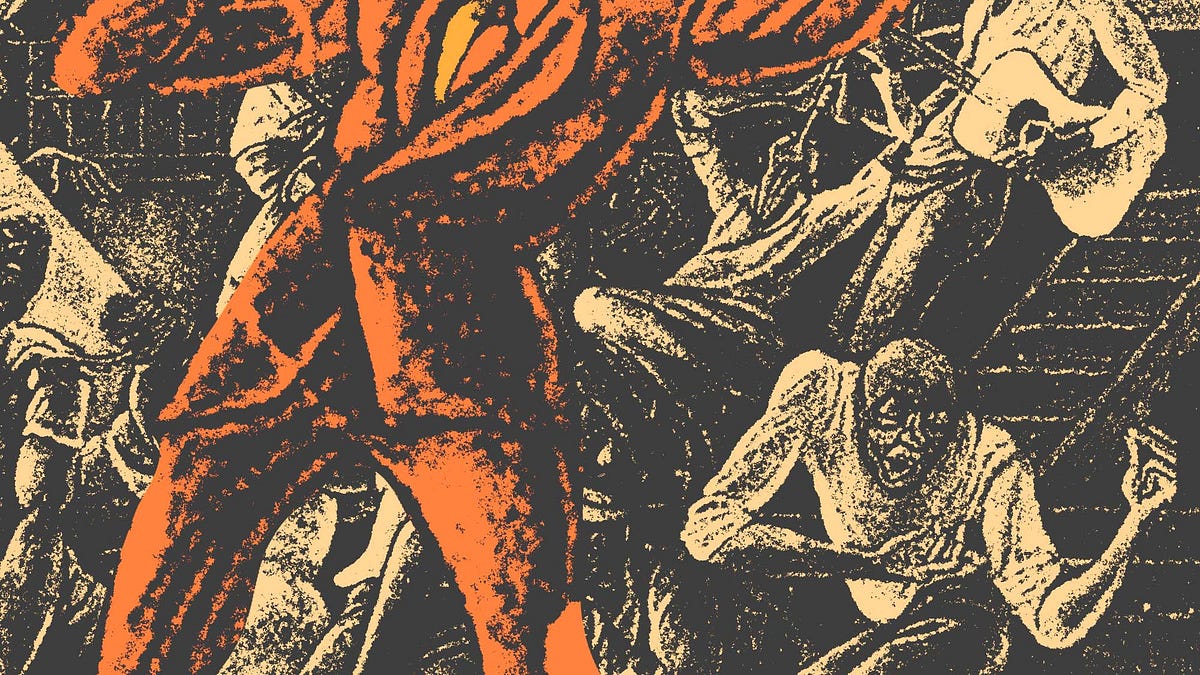
Marvin Gaye was rarely a man at peace. Throughout his storied career, his personal life—marked by struggles with addiction, financial instability, and the crushing weight of public scrutiny—often threatened to eclipse his monumental contributions to American music. Yet, in the mid-1970s, Gaye found a brief, fertile window of creative clarity. Following the massive success of What’s Going On and Let’s Get it On, he entered a period of intense artistic evolution that would culminate in the release of his most misunderstood masterpiece: I Want You.
A New Direction in Sensuality
The genesis of I Want You was deeply personal. Estranged from his wife, Anna Gordy, Gaye found a new muse in 17-year-old Janice Hunter. While their relationship was fraught with the complexities of their age gap and the eventual turbulence of their marriage, the honeymoon phase provided a wellspring of inspiration. Gaye sought to capture this ephemeral bliss, moving away from the primal, searching nature of his previous work toward something more ambient, mature, and undeniably erotic.
Collaborating with songwriter Leon Ware, Gaye aimed for a sound that was sonically consistent—a “laid-back coital bedroom warmth.” Despite the rigid “production line” methods typically favored by Motown head Berry Gordy, Gaye was granted the creative freedom to pursue this singular vision. As Ware noted in a 2016 interview, the project was driven by a shared dedication to exploring the intersections of sensuality and sound.
Innovation and Legacy
While I Want You was commercially successful, it initially faced a lukewarm reception from critics who found it too subtle or “low-keyed” compared to the urgency of his earlier hits. However, with the benefit of hindsight, the album reveals itself as a bold, forward-thinking work. It was an early adopter of synthesizer textures and featured a mixing style that often pushed the vocals into the background, allowing the lush, atmospheric arrangements of strings and horns to take center stage.
The album’s influence is undeniable. It served as a precursor to the “quiet storm” subgenre that would dominate R&B radio in the 1980s, and its ambient, dreamlike quality arguably paved the way for later movements in dream pop and shoegaze. It is an album that eschewed the funky, soulful expectations of the era for something more willowy and introspective.
A Moment of Untroubled Grace
Ultimately, I Want You stands as a testament to Gaye’s willingness to evolve. It is a record of a man who, for one fleeting moment, believed he knew where he was going. It captures a sense of fulfillment and gratitude that is rare in the discography of such a tortured artist. By rejecting the pressure to repeat his past successes, Gaye created an artifact of possibilities—a glimpse into a career path that might have been, had life remained, for just a little longer, untroubled.