
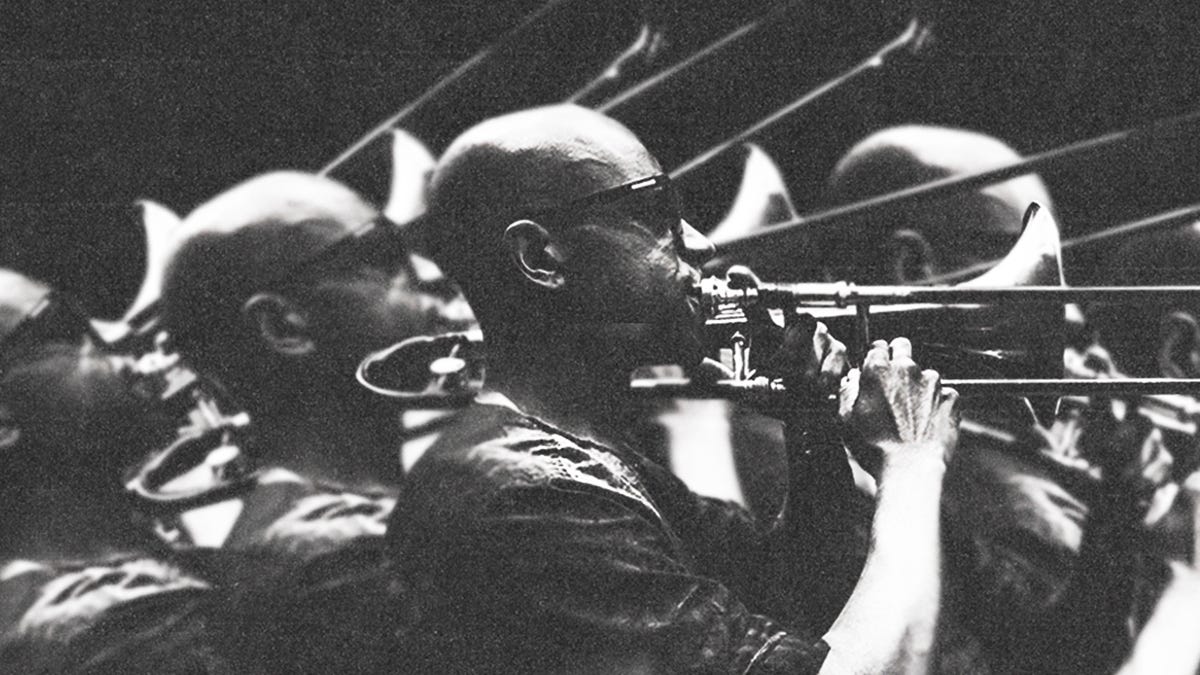
The passing of Ryan Porter is a profound loss for the jazz community and for those who knew him as the heartbeat of the West Coast Get Down. Porter, a brilliant trombonist and an unwavering optimist, died on May 16 following a tragic car accident. His departure leaves a void in the Los Angeles music scene, where he served as both a technical master and a unifying force for a generation of visionary artists.
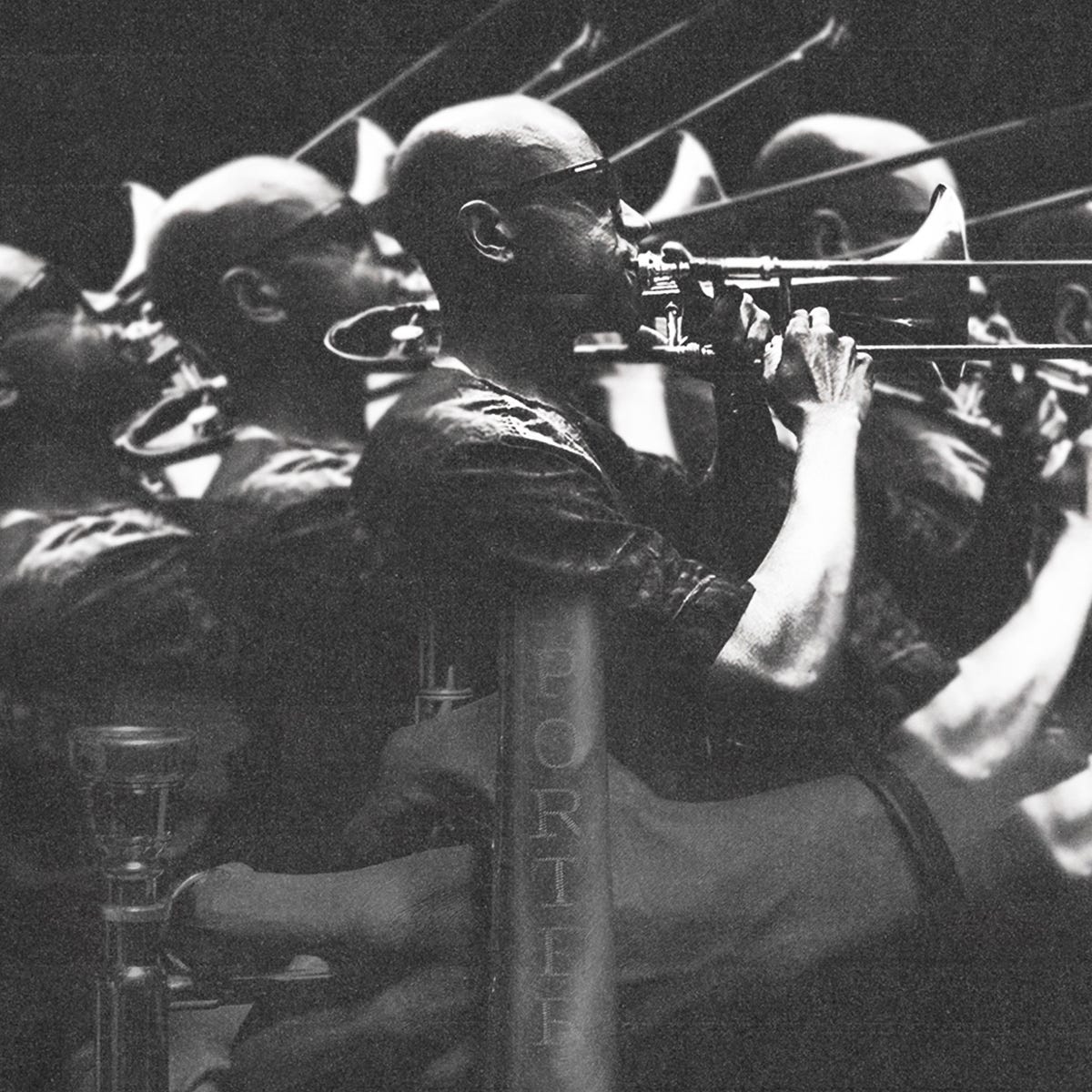
Growing up in Westchester, Porter viewed jazz not merely as a career path, but as a spiritual refuge. In a world often defined by the harsh realities of his neighborhood, the trombone became his instrument of liberation. His early connection with Kamasi Washington and the eventual formation of the West Coast Get Down created a modern jazz renaissance in Los Angeles. Together with peers like Brandon Coleman, Cameron Graves, Miles Mosley, and the Bruner brothers, Porter helped redefine the genre, contributing significantly to the cultural landmark that was Kendrick Lamar’s To Pimp a Butterfly.
Porter’s 2018 album, The Optimist, stands as a testament to his voracious musical appetite and his infectious joy. Recorded during the formative years of the West Coast Get Down at the legendary “Shack,” the album captures the telekinetic chemistry of a group that spent years honing their craft in obscurity before the world caught up to their brilliance. His playing was characterized by a rare blend of technical precision and deep, soulful improvisation—a style that felt both scholarly and profoundly human.
Beyond his technical prowess, Porter was a music obsessive who found genuine wonder in his own journey. He often spoke of his childhood dreams of being a jazz musician—complete with the fedora and trench coat—and the surreal realization of those dreams as an adult. Whether he was backing icons like Quincy Jones or pushing the boundaries of spiritual jazz on his own records, Porter remained a humble, dedicated student of the craft.
While the physical recordings of our past conversations may be lost to time, the impact of Ryan Porter’s music remains. He was a bridge between the past and the future of jazz, a musician who understood that the music was meant to be shared, studied, and lived. His legacy is not just in the notes he played, but in the community he helped build and the optimism he carried until the very end.