
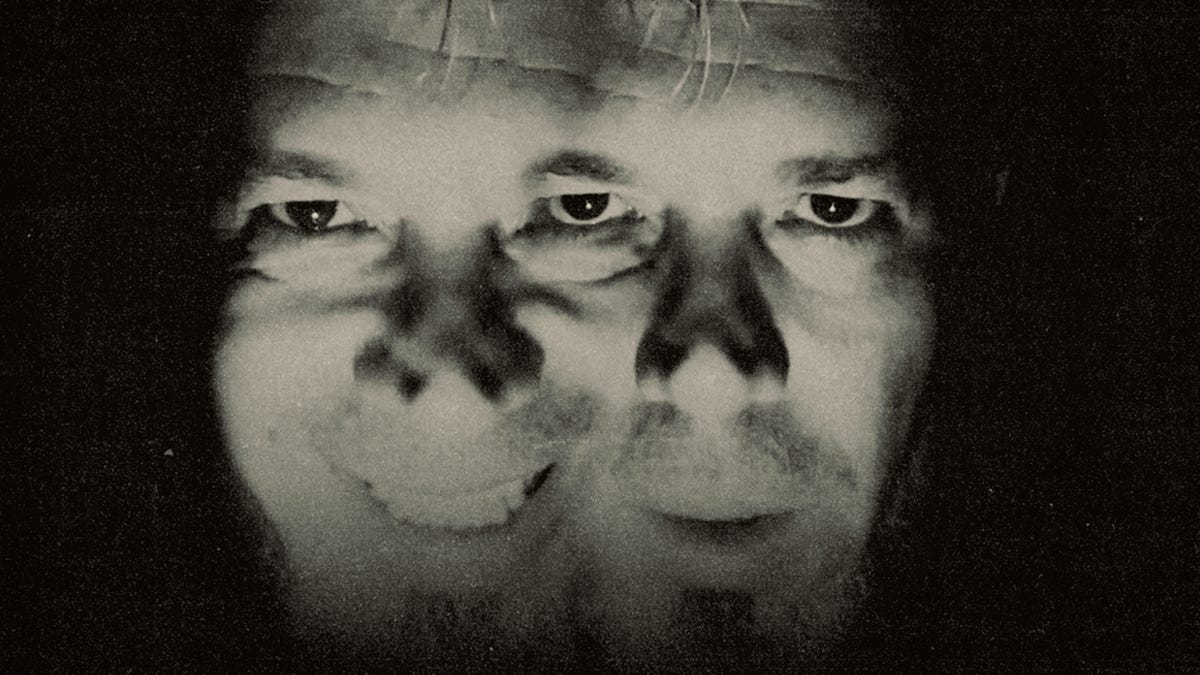
I’m in New York and doseone is at his home in Santa Fe and we’re talking about Sumerian tablets over a wifi connection so clean it sounds as if the 49-year-old avant-garde rap legend is sitting right across from me. “Upright apes have been thinking about this shit for so long,” he says, referencing specifically a poem whose sentiments recur throughout sighting, his new album with Louisianan musicians Wino Willy and Zetroc, and generally our impulse to make sense of the Big Bang, original sin, and all its tiny, violent reverberations.
It’s been 30 years since the man born Adam Drucker co-founded anticon.; across those three decades he’s released roughly 30 records on his own and as part of various groups, all of which push rap into odder shapes and more uncertain territory. The son of artists, Drucker grew up mostly in New Jersey and Philadelphia; last decade he moved to the Southwest in part to pursue a career scoring video games. But this move into middle age has, if anything, more intuitive and less rote with his creative process. sighting, as he describes it, is in part an exercise in becoming a conduit for the ideas and images that might move through you, as if a jolt of electricity or a paranormal chill.
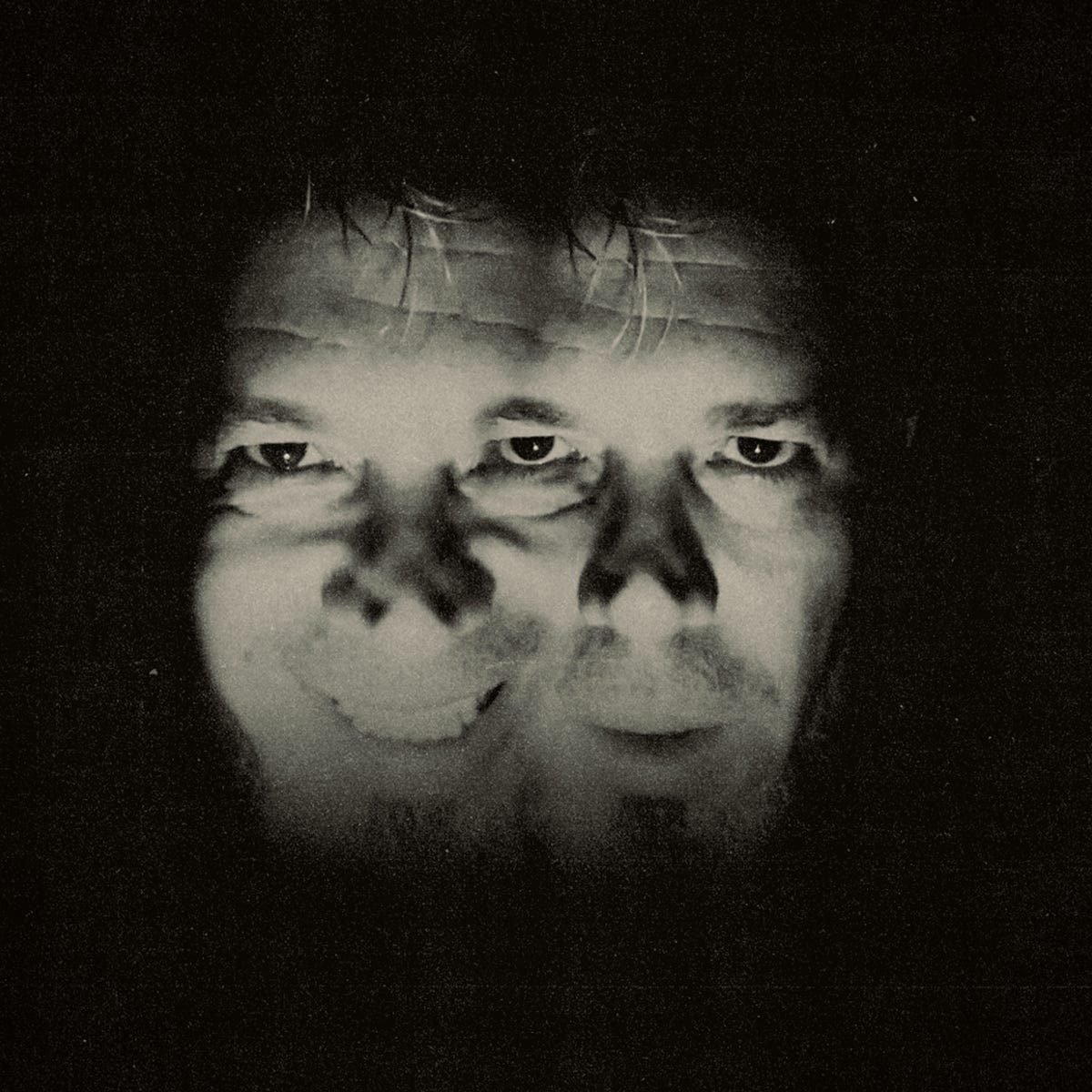
At times, the new album—scaffolded by Wino Willy’s drums and Zetroc’s audacious instrumentation—is uncomfortably dark, but it is never universally so. “My dad could tell I was really mining my darkness and trauma to make art,” Drucker recalls of a period in his adolescence. “And he was like, ‘Hey man, you got to take all these grays, these darks, you got to make a new white. You can’t be like Mark Rothko and kill yourself beautifully on the floor. You can’t use you all up. That is not what the art wants. That’s not what anyone wants.’”
And so sighting seems to come out of the same ether that birthed folk tales and indigenous art in the region going back centuries. The aperture is open and the work ethic anchors it. “I do not experiment for experiment’s sake,” Drucker says, “but I make music for music’s sake, and that means I work on the fringe. And with the fringe, there is always another day of work.”
Drucker notes that the desert landscape itself played a role in the album’s atmosphere. “You could see how someone came up with all that skinwalker shit. You pull it from the turf. And that’s a big theme for sighting—the sighting thing came as I went to make art about the record. I just was listening to all this dark music we made and I was like, ‘Oh man, I want to do… not really Bigfoot sightings, but these dark wendigo kind of watchery things.’”
The process of creation, for Drucker, has evolved into a practice of getting out of his own way. “I’m picking up fucking signals,” he explains. “And it’s all sorts of things, whether it’s from Twitter and the wrong side of history, something will trigger me. Something that I’m truly intrigued by and inspired by, whether that’s a peer and something they made, or skinwalker tales about the Southwest, whatever the fuck it’s going to be.”
Reflecting on the long arc of his career, Drucker credits his growth to a lesson learned from poet Galway Kinnell: “There is a way in which you’re not trying to disturb what inspires you or whip out your phone and fucking scan it. Literally, you can scare the moment away. And the thing I learned over all these years, which took a million repetitions, is that just knowing when I have a really good poem in me and when I have just the head or tail of a line or stanza, just a node. And when you have a really good poem, you just get this feeling like, I’m fucking up if I don’t stop and sit and let it happen.”
Ultimately, sighting represents a departure from traditional song structures. “I’m not really here to give people song progressions anymore, and I’m also not here to give you good-mood music,” he says. “It’s actually painting in swaths, and then going back and adding deliberate stitching between things.”