
A Crossroads for Hip-Hop
In the summer of 1996, De La Soul released their fourth studio album, Stakes Is High, a record that served as a critical juncture for both the group and the broader hip-hop landscape. Opening with a poignant homage to Boogie Down Productions’ Criminal Minded, the trio—Posdnuos, Trugoy the Dove, and Maseo—signaled a shift in their artistic trajectory. Moving away from the whimsical abstraction of their earlier work, the group embraced a more mature, socially conscious, and occasionally weary perspective, reflecting the seismic changes occurring within the culture at the time.
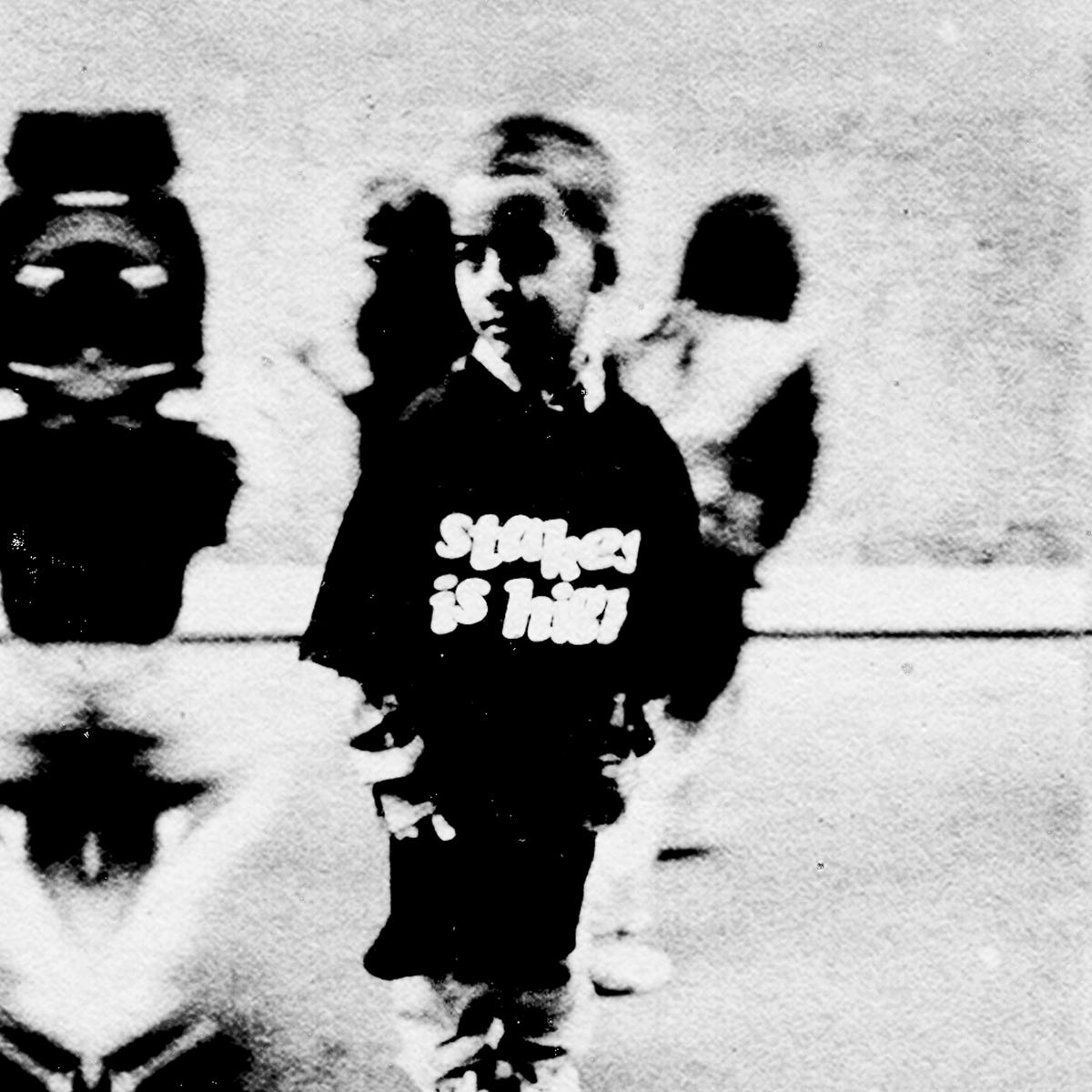
The album arrived during a pivotal year for hip-hop, marked by the rise of solo careers for artists like Jay-Z and Ghostface Killah, and the continued dominance of regional sounds from the South. Within this context, Stakes Is High functioned as a state-of-the-union address, critiquing the glorification of materialism and the increasingly narrow narratives dominating the airwaves. By balancing artistic progression with a firm moral stance, De La Soul managed to deliver a project that felt both of its moment and remarkably prescient.
The Evolution of a Sound
The production on Stakes Is High marked a departure from the group’s previous collaborations with Prince Paul. While the album maintained a consistent, high-quality sonic identity, it leaned into a more subdued, sample-based aesthetic. Tracks like the title song, produced by a then-emerging J-Dilla, distilled the album’s central themes into a powerful, majestic statement. The group’s ability to weave together diverse influences—from jazz breaks to disco-laced melodies—demonstrated a deep reverence for the history of the genre while pushing it forward.
Ultimately, the album’s legacy lies in its refusal to compromise. Whether addressing personal struggles, such as divorce and fatherhood, or broader societal issues like systemic inequality, De La Soul remained committed to their vision. Thirty years later, Stakes Is High stands as a testament to the power of integrity and the enduring importance of hip-hop as a medium for both personal reflection and cultural critique.