
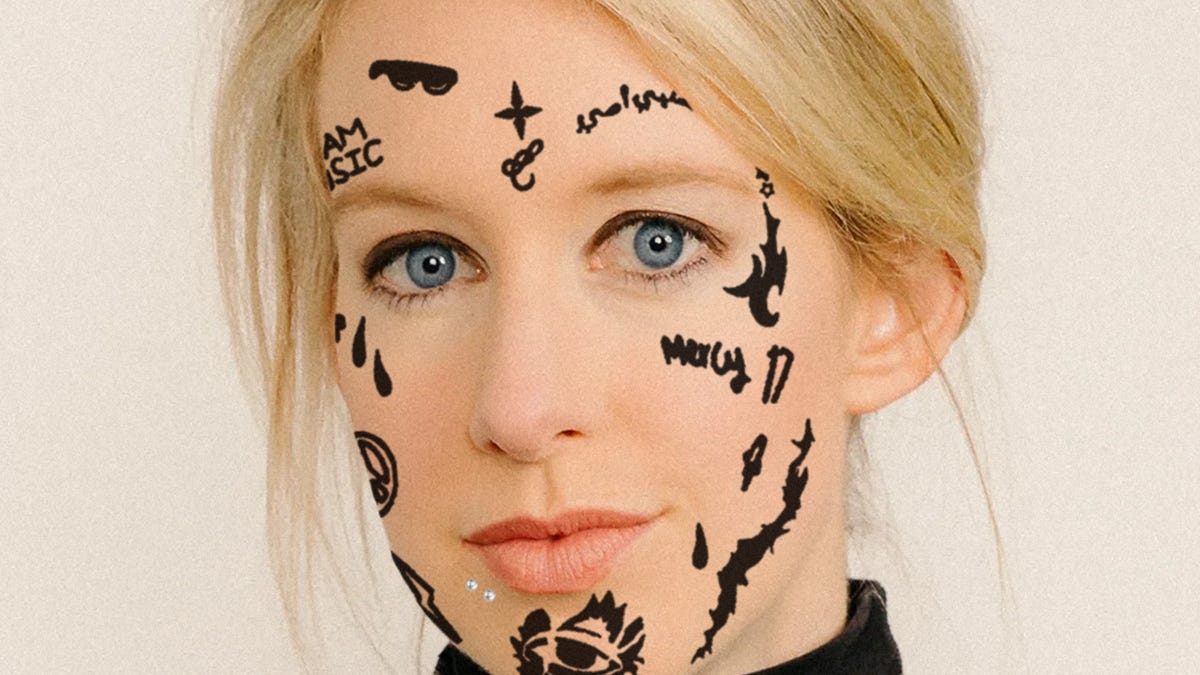
While navigating the unsettling tensions and manipulations depicted in You Can See Everything, one cannot help but notice the absence of a specific cultural touchstone: the world of hip-hop, and specifically, the presence of Meek Mill. The documentary offers a startling look at how Elizabeth Holmes has managed to maintain a prolific social media presence from behind bars, revealing that her husband, Billy Evans, is the primary architect behind her digital voice.
The film confirms that Evans often acts as a unilateral messenger, tweeting on behalf of his wife without her direct consultation. He is essentially channeling what he believes Holmes wishes to convey, often blending his own personal interests with her public persona. This dynamic raises questions about the authenticity of the content being pushed to the public and the motivations behind Evans’s specific choice of subject matter.
Perhaps most curious is Evans’s documented obsession with hip-hop artists. His tendency to engage with rappers online—often in ways that feel disconnected from the gravity of his wife’s legal situation—serves as a bizarre subtext to the entire narrative. By inserting himself into these cultural conversations, Evans reveals a desire for relevance that transcends his role as the husband of a disgraced tech mogul. It is a strange, performative display that leaves viewers questioning the true nature of their partnership and the reality behind the curated image they present to the world.