
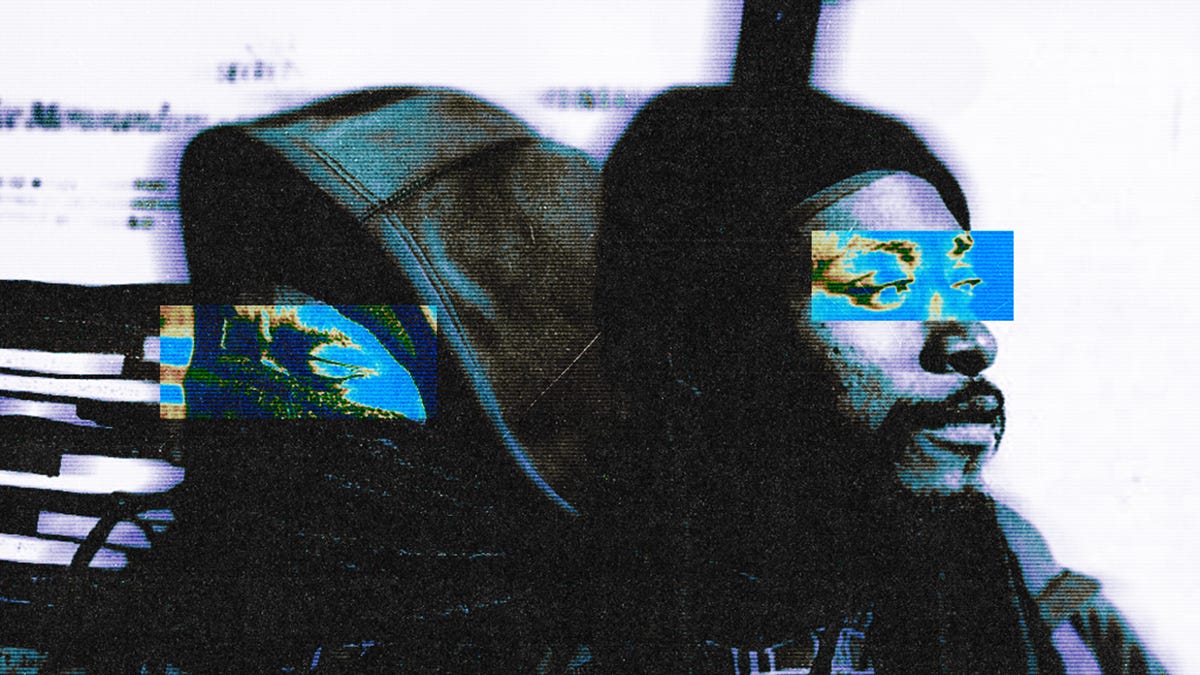
Contrary to every conventional market force or piece of industry advice, Curly Castro has learned the value of patience. For the last decade and a half, the Brooklyn-born, Philadelphia-based rapper has channeled the distinct lineages of his home cities—alongside his West Indies roots—into a brand of muscular, conceptually daring hip-hop. Whether operating as a solo artist or through collaborations like ShrapKnel with fellow Philadelphian PremRock, Castro has maintained a consistent presence. Yet, YAPHET, his latest project arriving via Backwoodz Studioz, marks his first solo headlining album in five years.
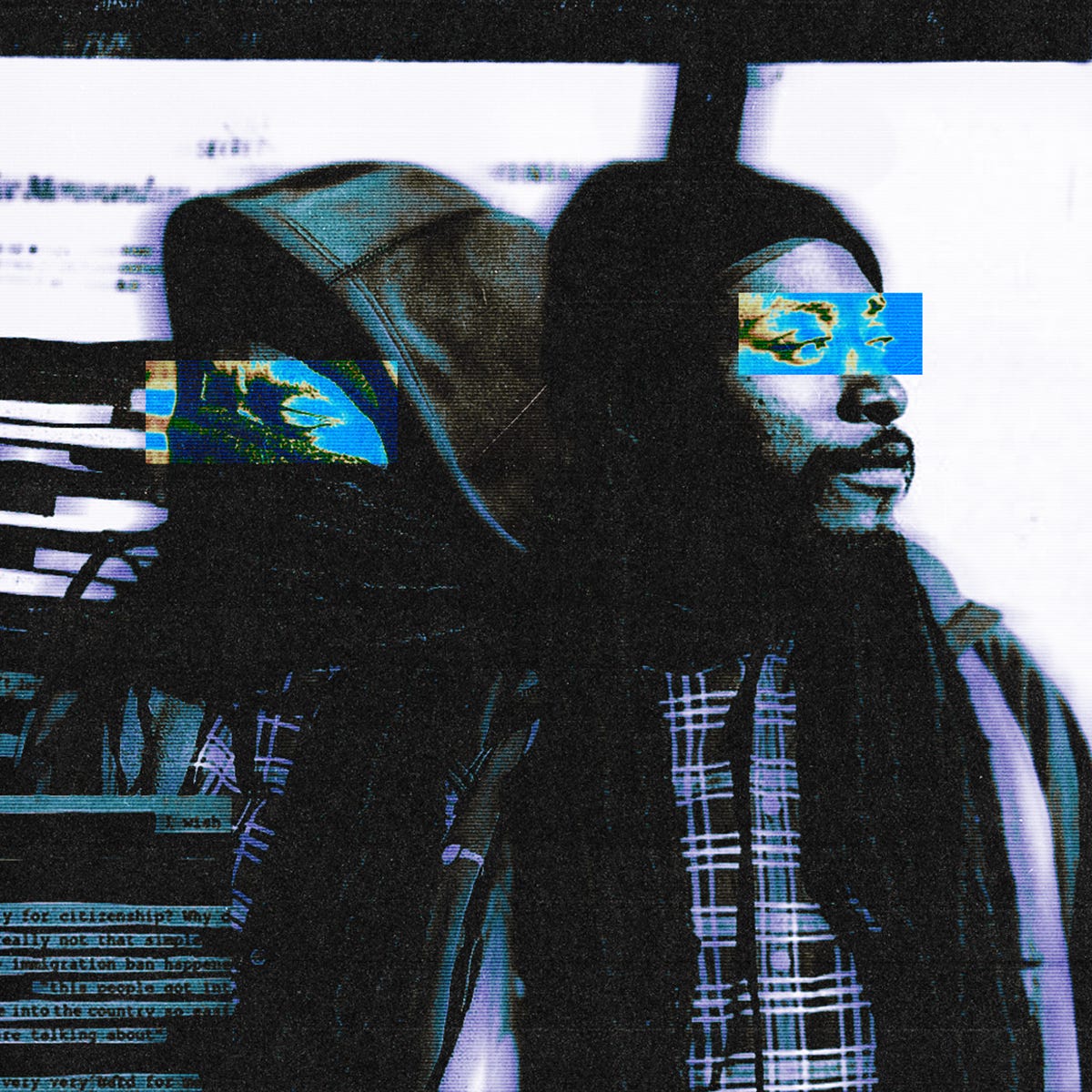
Navigating Personal Hardship Through Art
The delay in his solo output is rooted in profound personal adversity. Over the past few years, Castro has navigated major surgery, a cancer diagnosis, and the devastating loss of both his father and his infant daughter. These experiences forced a shift in his creative process. While he initially attempted to write more conventional songs, his subconscious inevitably bled through. Tracks like “I Couldn’t Breathe, If I Wanted To…” and “Last Good Will” emerged as raw, magmalike expressions of grief and catharsis that could not be suppressed.
Despite the weight of these themes, YAPHET remains a high-energy record. Produced entirely by Milwaukee’s Locust, the album spans diverse styles and global influences, tethering shards of cultural ephemera to irrepressible percussion. The title itself is a tribute to the Blaxploitation icon Yaphet Kotto, a figure Castro admires for his imposing presence and authentic representation of Black heroism.
The Creative Vision Behind YAPHET
Castro’s approach to the album was deeply intentional. He describes a methodology where he sought to reconfigure his relationship with the Blaxploitation genre, moving past initial skepticism to appreciate the films as underground gems. “I’m in the underground now,” Castro explains. “That’s what it was.”
The album’s sequencing, orchestrated by producer Locust, follows a chronological sonic evolution—moving from old-school drum patterns to 1990s aesthetics and finally into futuristic soundscapes. This structure allows Castro to showcase his versatility, revealing facets of his childhood, adulthood, and his reflections on the afterlife.
Mentorship and the Underground Ecosystem
As he has matured in the industry, Castro has found himself sliding into a mentor role for younger artists like shemar and Fatboi Sharif. He views this as a natural progression of his career. “When you have really good swordsmen around you, your blade has to be sharp,” he notes. By fostering a collaborative environment, he hopes to help the next generation avoid the pitfalls he encountered during his own early years of trial and error.
Ultimately, YAPHET is a testament to Castro’s growth. He has moved past the need to wear different masks, settling into a confident, poetic style that trusts his instincts. Whether he is exploring the complexities of his heritage or processing profound personal loss, Castro remains a vital voice in the modern hip-hop landscape.