
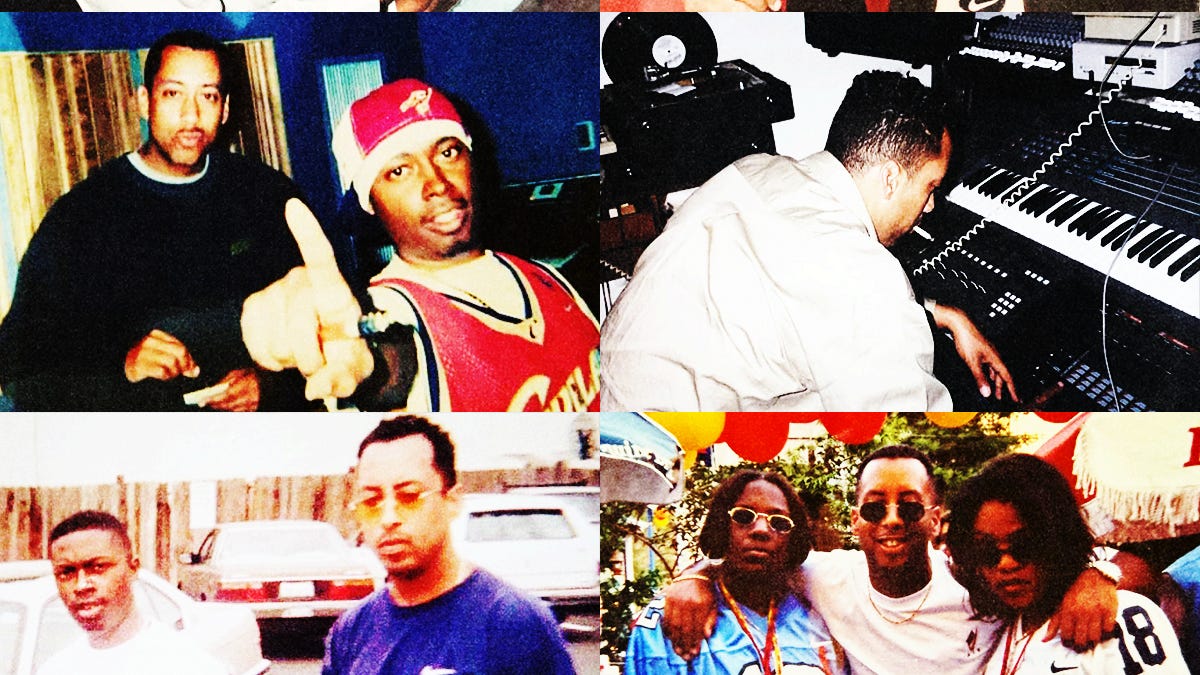
The passing of renowned Bay Area producer Tone Capone on September 12, at the age of 59, marks the end of an era for West Coast hip-hop. His influence, characterized by a unique ability to blend intricate melodies with a heavy, subterranean aesthetic, remains etched into the foundation of modern rap music.
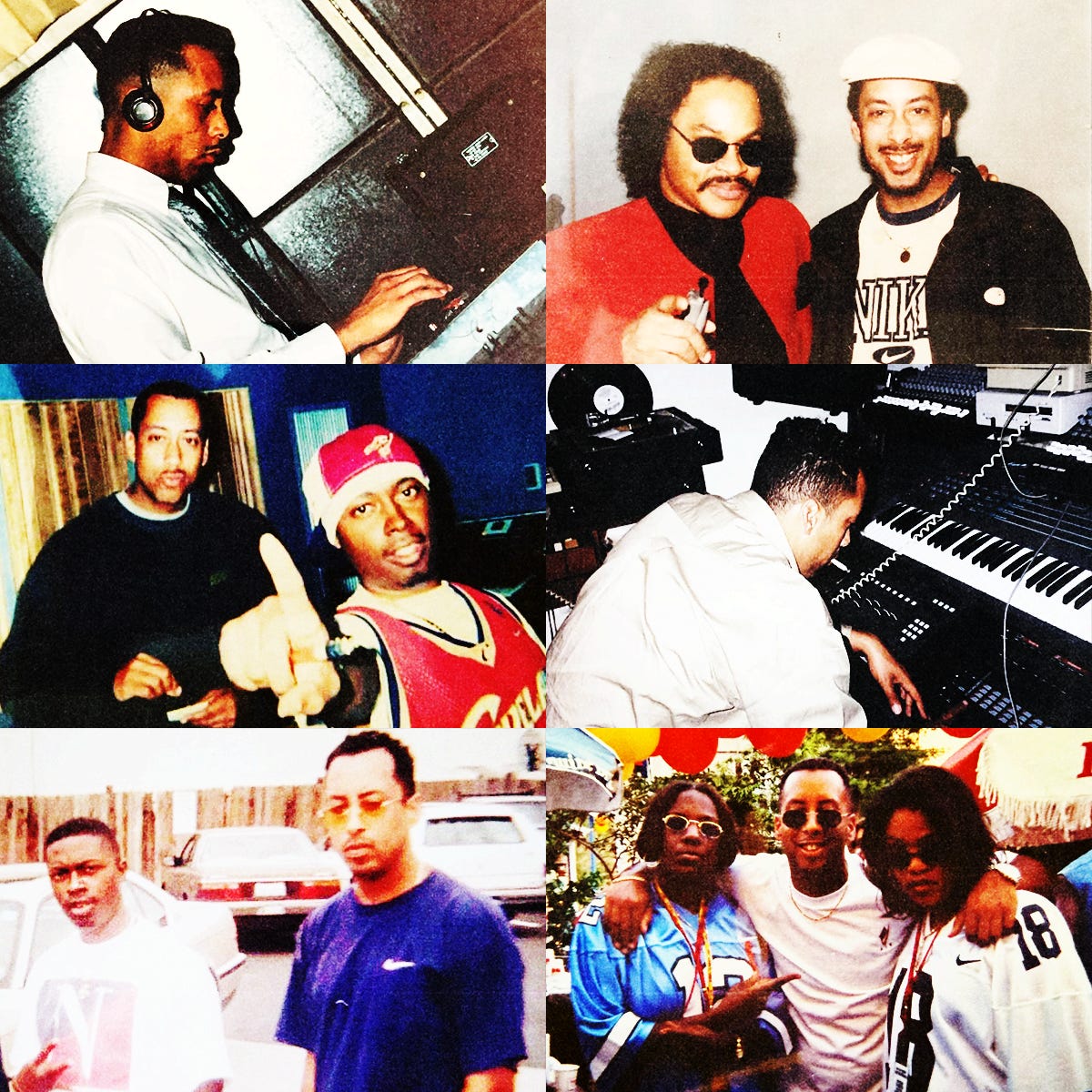
Defining the Bay Area Sound
Tone Capone’s work on tracks like Luniz’s “I Got 5 on It” showcased his mastery of atmosphere. By stripping away the conventional high-80s drum patterns in favor of something more ominous and grounded, he created a soundscape that became synonymous with the region. His production choices were never merely functional; they were transformative, turning simple loops into enduring cultural artifacts.
A Legacy of Collaboration
Beyond his work with Luniz, Tone Capone’s fingerprints were all over the late-90s and early-2000s rap landscape. From the gothic, funereal swagger of Scarface’s “Smile” featuring 2Pac to the experimental, multi-voiced brilliance of Mac Dre’s “Not My Job,” his range was immense. He possessed a rare talent for luring artists into new sonic territories, often balancing the intricate with the bludgeoning.
Whether working with Mob Figaz or The Click, Tone Capone remained a true interpreter of the American West. His ability to provide gloss and sheen to harrowing narratives ensured that the struggles depicted by artists like The Jacka and Husalah felt both grounded and triumphant. He was, in every sense, a visionary whose contributions to the culture will continue to resonate for years to come.