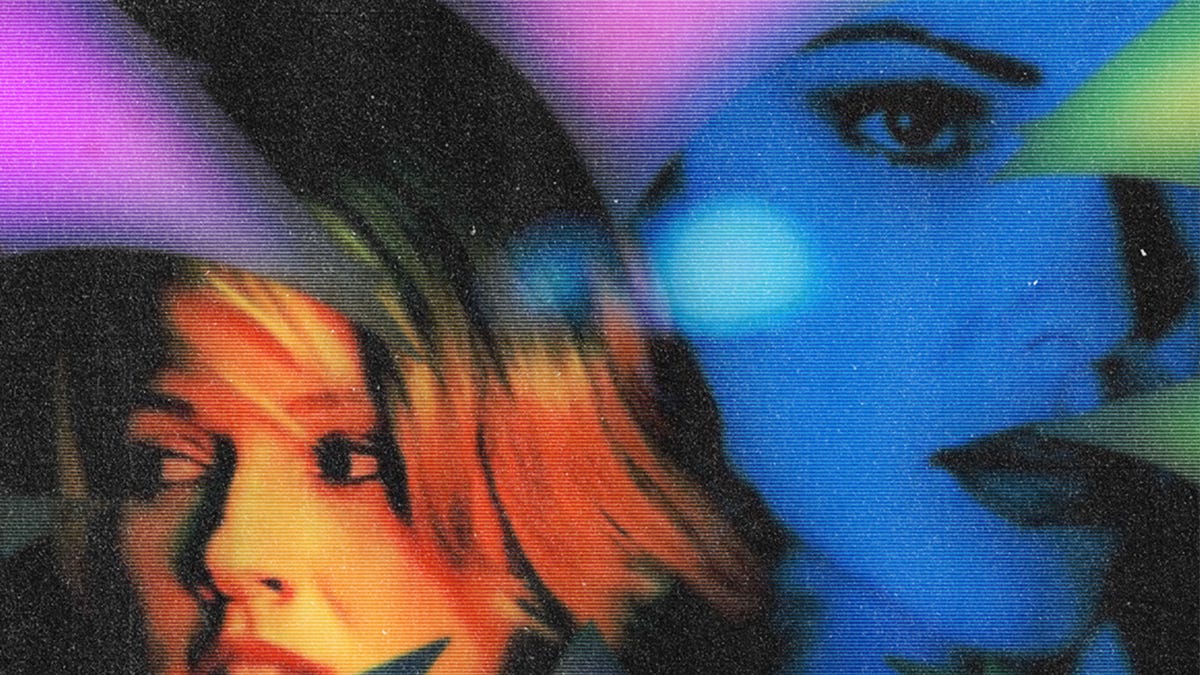
The declaration, “No hay banda—there is no band,” delivered by The Magician at Club Silencio, serves as a pivotal fracture in the reality of David Lynch’s 2001 classic, Mulholland Drive. As the film celebrates its 25th anniversary, the significance of its music, particularly its connection to the sound of Los Angeles, remains a central mystery in the director’s body of work.
Lynch’s creative universe is rarely silent; it is populated by an array of musical entities ranging from industrial projects and conceptual acts to the ghosts of classic crooners. These influences eventually coalesced into his Festivals of Disruption in 2016 and 2018, which mirrored the atmospheric intensity found in his later work, such as Twin Peaks: The Return.
The narrative of Mulholland Drive is anchored by the sequence at the fictional Club Silencio. This venue left such an indelible mark on the director’s imagination that it eventually manifested in the real world as a private club in Paris, established with his active involvement. The scene functions as a vortex, drawing both the characters and the audience into a profound questioning of artifice and the blurred lines between dreams and reality.
Central to this emotional gravity is the performance by Rebekah Del Rio. Her rendition of Roy Orbison’s “Crying” in Spanish transcends the film’s earlier melodramatic tropes, providing a moment of pure, raw vulnerability. Much like Laura Palmer in the Twin Peaks mythos, Del Rio’s brief but haunting appearance defines the soul of the film. Following her passing in 2025, her legacy remains inextricably linked to this cinematic milestone, with the original 2001 soundtrack release featuring her performance as a centerpiece. Even when the music is presented a cappella, Lynch reminds us that there is always a band, and that we are all, in a sense, participants in the performance.