
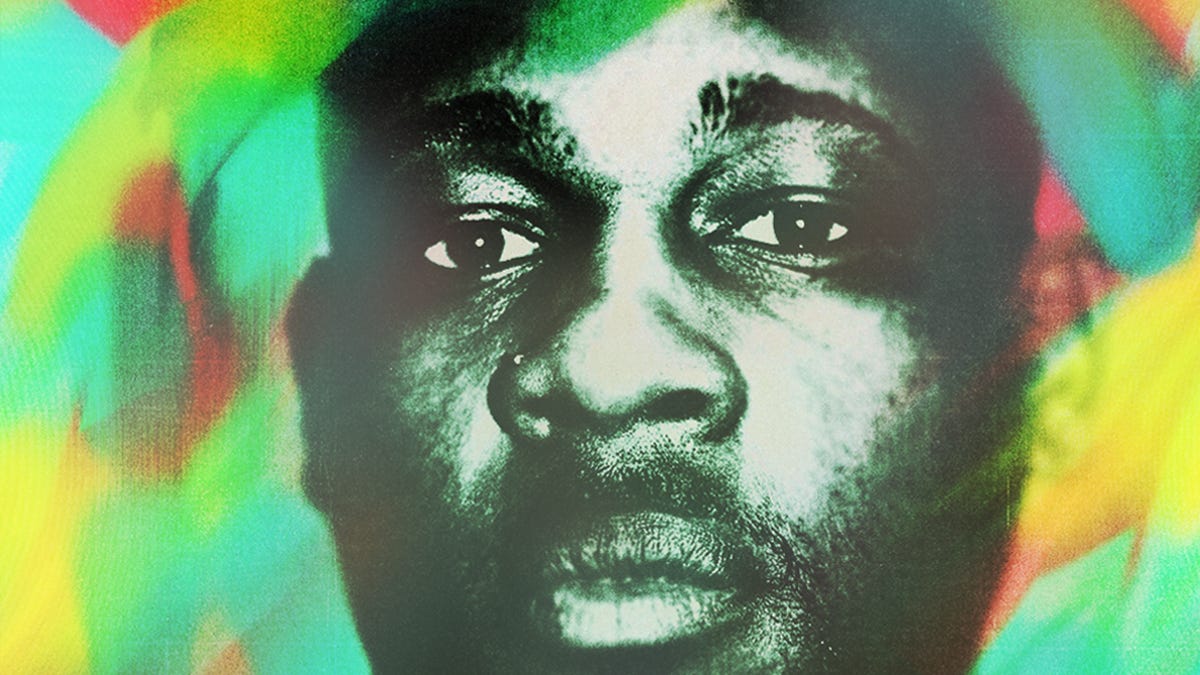
Open Mike Eagle has long been a fixture of the underground rap scene, but with his latest project, DOOMED!, he finds himself navigating the complexities of personal life through a new, collaborative lens. Working alongside longtime associate Kenny Segal, the L.A. underground legend has crafted an album that finds beauty in the mundane and the tragic, exploring the cyclical nature of relationships and the emotional weight of everyday existence.
In a recent conversation, Eagle reflected on the evolution of his creative process. While he has historically maintained a firm grip on his artistic output—often describing himself as a “dictator” in the studio—the partnership with Segal required a shift in perspective. “I like to have a lot of control and I don’t like to have a lot of conversations,” Eagle admits. “It’s been hardened by my experiences in film and television, where things are so collaborative. It always makes me run back to this music where I don’t have to answer to nobody.”
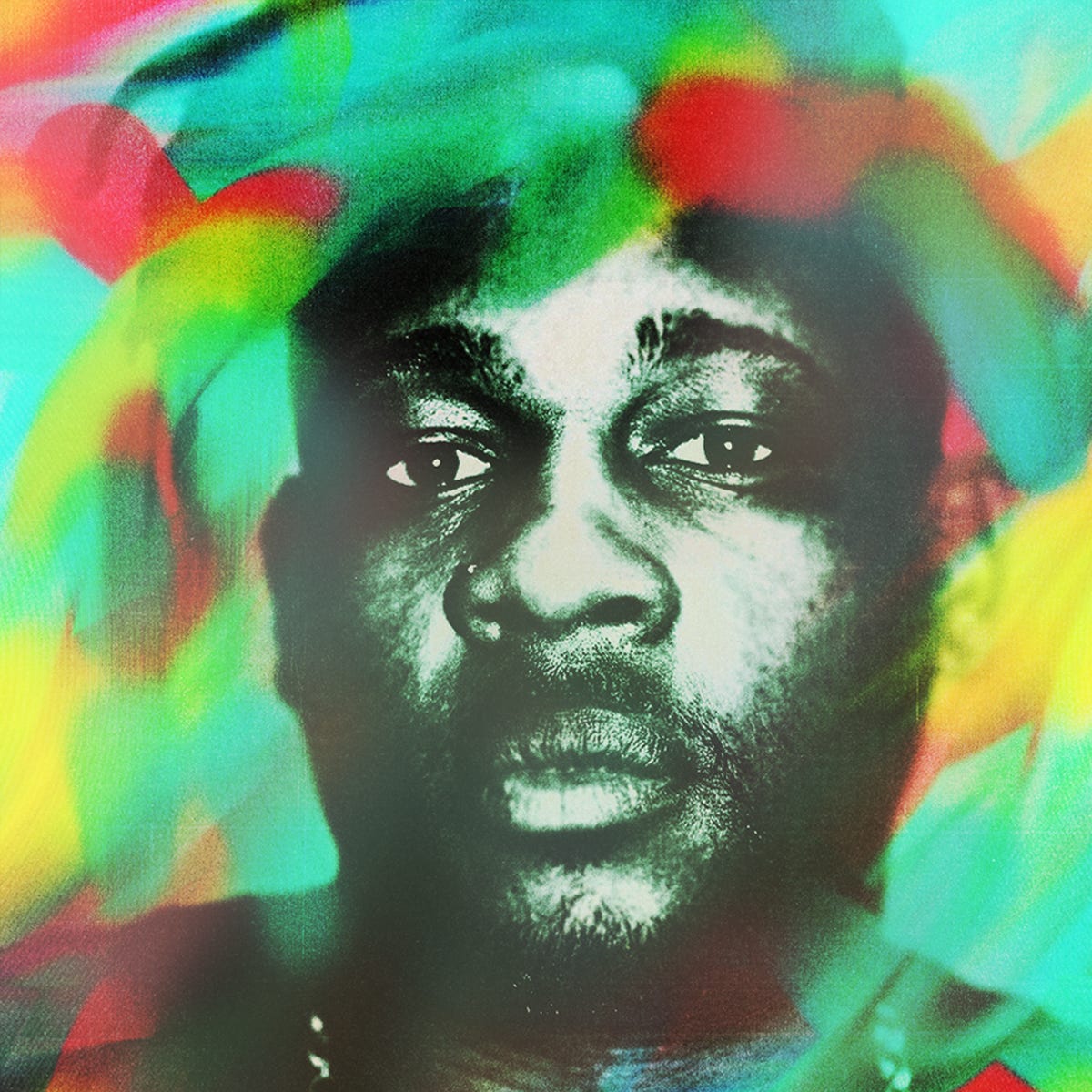
Despite his preference for total autonomy, the collaborative nature of DOOMED! allowed for a deeper exploration of his own psyche. Following the success of his 2020 album Anime, Trauma and Divorce, Eagle has become more comfortable using his music as a forum for his personal struggles. He notes that the transition to writing about his own life was initially daunting, particularly regarding how audiences would perceive such raw vulnerability.
The album, released via Backwoodz Studioz, serves as a testament to the enduring creative bond between Eagle and Segal. Having known each other since their early days in the Los Angeles scene, the two share a shorthand that made the recording process, while more iterative than Eagle’s typical solo work, feel natural. “We’re like a couple of the last ones standing,” Eagle says of their shared history in the underground ecosystem.
As he continues to experiment with cadence and rhythm—drawing inspiration from his work with the group Previous Industries—Eagle remains committed to the evolution of his craft. Whether he is discussing the technical nuances of his home studio setup or the historical context of his favorite rap albums, his approach remains grounded in a deep respect for the art form and a desire to push beyond the expected boundaries of the genre.