
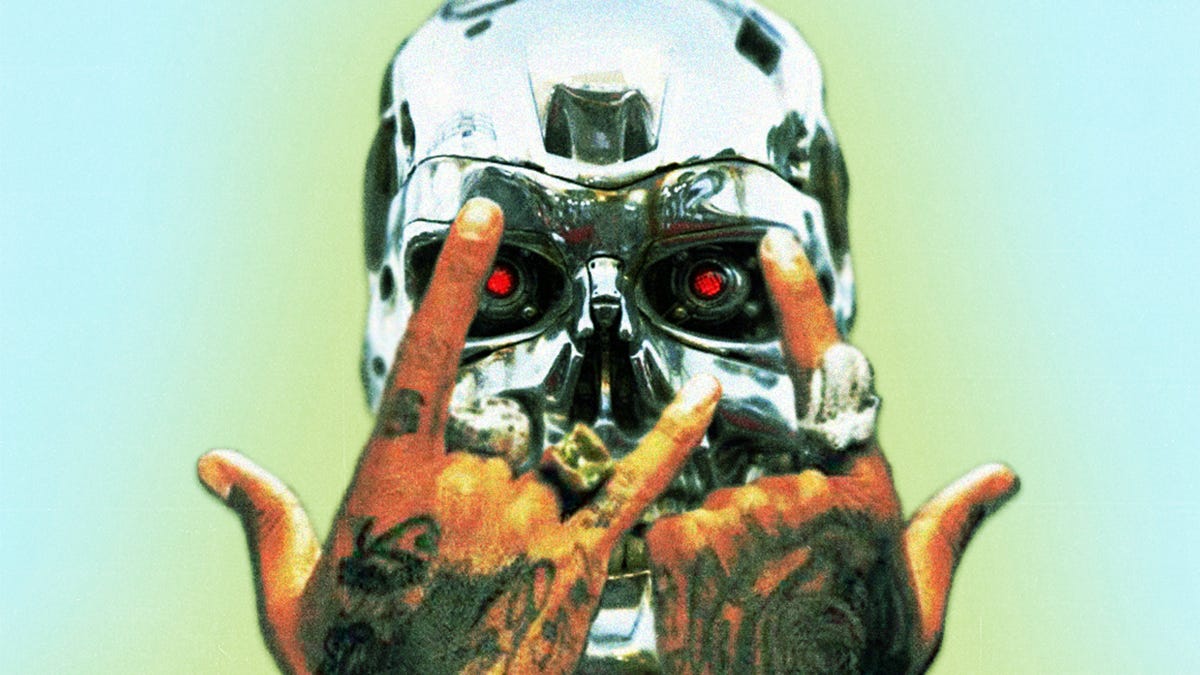
Drive 250 miles east from Rack City and you’ll come across a newly constructed data center. In the Nevada desert, supercomputers have been working through increasingly specific prompts to generate $TARFACE, a new album attributed to the hip-hop artist Tyga. The result is a collection of music that feels less like a creative endeavor and more like a cynical, automated data dump. To describe this as “recorded music” feels like a misuse of the term; it is, quite simply, the most banal artificial generation to hit the streaming era.
The Algorithmic Logic of $TARFACE
It is entirely possible that you are unaware of $TARFACE, a project designed to introduce a Miami Vice-inspired alter ego. You aren’t supposed to know it exists—at least, not yet. The album represents the logical conclusion of the streaming era’s “data-dump” approach. If the current industry standard involves flooding the market with bloated, incoherent records to see what sticks, $TARFACE takes this a step further by offshoring the tastemaking process to bot-run stream farms. The goal is not human engagement, but rather the narcoticizing effect of familiarity, forcing songs into the background of our daily lives via algorithmic placement.
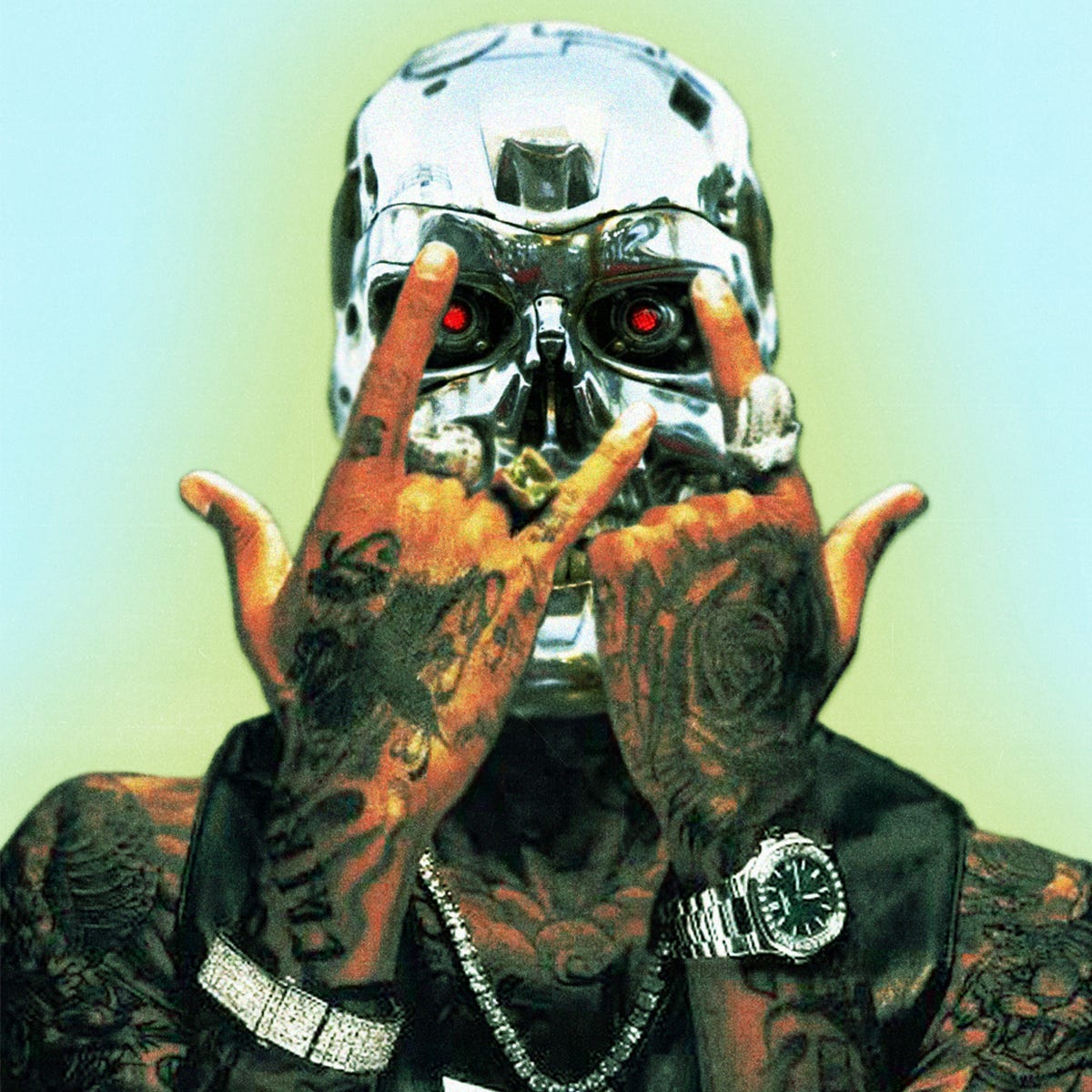
The Human Element in the Age of Machines
The history of recorded music is, by definition, a history of technological evolution. From the physical limitations of vinyl to the introduction of 808s, artists have always used tools to reshape their sound. However, the compatibility of artificial intelligence with musical flourishing remains in question. While some might argue that AI can be a tool for genuine expression, $TARFACE offers no evidence of this. It lacks the idiosyncrasy that defines great art—the very decisions that no human would have made until that specific moment.
The first thing that we do with new tools is use them to beat the shit out of each other.
As we navigate this new landscape, we are forced to approach music with a growing sense of paranoia. When the line between human performance and machine generation blurs, we lose the ability to connect with the artist’s intent. Even if AI models grow more sophisticated and sound increasingly naturalistic, they will always lack the ability to create something truly new. They can approximate the past, but they cannot innovate. In the end, $TARFACE serves as a stark reminder that while machines can mimic the form of music, they cannot replicate the soul of it.