
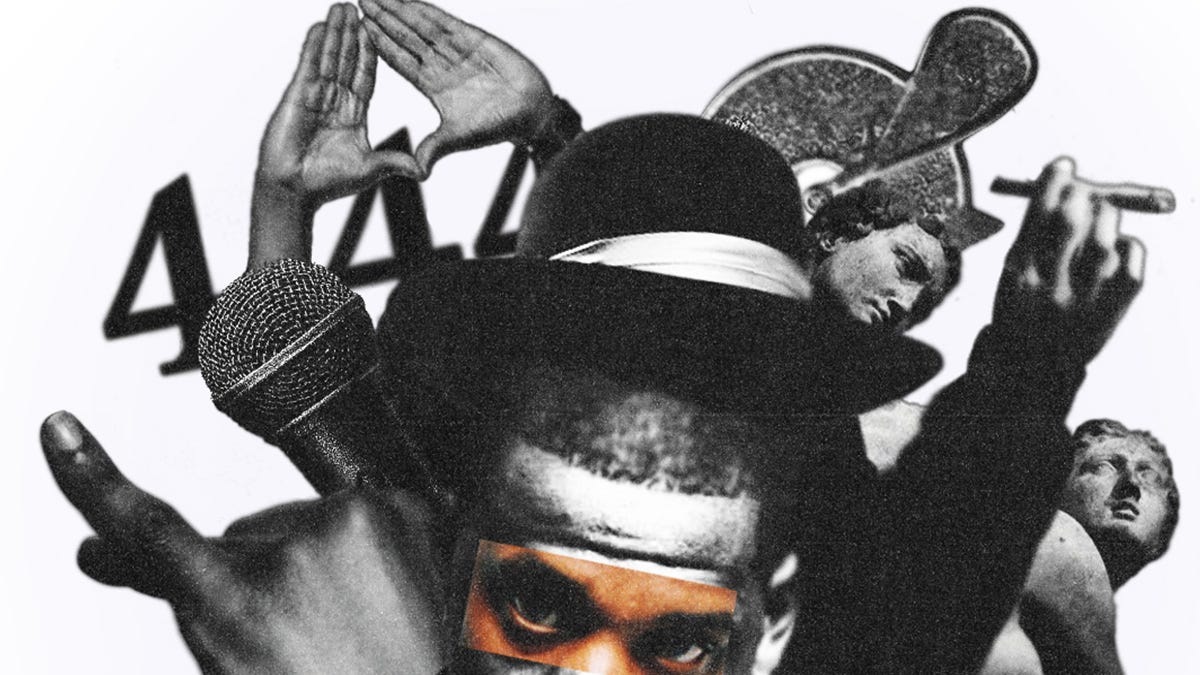
Closing out our celebration of Jay-Z week, we turn our attention to the rapper’s extensive solo discography. Evaluating the body of work left by Shawn Carter requires navigating the peaks of hip-hop history and the valleys of mid-career experimentation. From the gritty street narratives of his early days to the billionaire-class reflections of his later years, here is how his solo albums stack up.
The Bottom Tier: Kingdom Come and The Blueprint 3
At the bottom of the list sits Kingdom Come [2006]. Following a brief retirement, the album struggled to find its footing, often sounding defensive rather than triumphant. While tracks like “The Prelude” and “Do U Wanna Ride” offer glimpses of brilliance, the project is largely marred by a lack of focus. Similarly, The Blueprint 3 [2009] captures a moment where Jay-Z seemed unsure of his place in a changing musical landscape. Despite the massive success of “Empire State of Mind,” the album remains an inconsistent collection of ideas.
Mid-Career Reflections: Magna Carta and 4:44
Magna Carta… Holy Grail [2013] serves as a fascinating, if uneven, look at the transition into the billionaire class. It is a project defined by its own contradictions, balancing ostentatious displays of wealth with vulnerable moments like “Jay Z Blue.” Following this, 4:44 [2017] stands as a stark, mature pivot. It is a deeply personal exploration of legacy, infidelity, and generational wealth, proving that even decades into his career, he could still command the cultural conversation.
The Structural Foundations: The Blueprint 2 and American Gangster
The Blueprint 2: The Gift & The Curse [2002] offered a more expansive, experimental sound that allowed for some of his most memorable b-boy anthems, such as “The Bounce.” It remains a testament to his structural mastery as a rapper. Meanwhile, American Gangster [2007] is often cited as his best post-retirement work. By adopting a cinematic concept, he managed to deliver a cohesive, high-quality album that felt like a return to form, even if it lacked the raw, lived-in grit of his earlier classics.
The Dynasty and Beyond
The Dynasty: Roc La Familia [2000] is the often-overlooked bridge between his early work and his mainstream dominance. Featuring heavy contributions from Beanie Sigel, the album showcased a collaborative spirit that allowed Jay-Z to play various roles—teacher, friend, and confidant—before he stepped into the solitary, iconic status that would define his later career.