
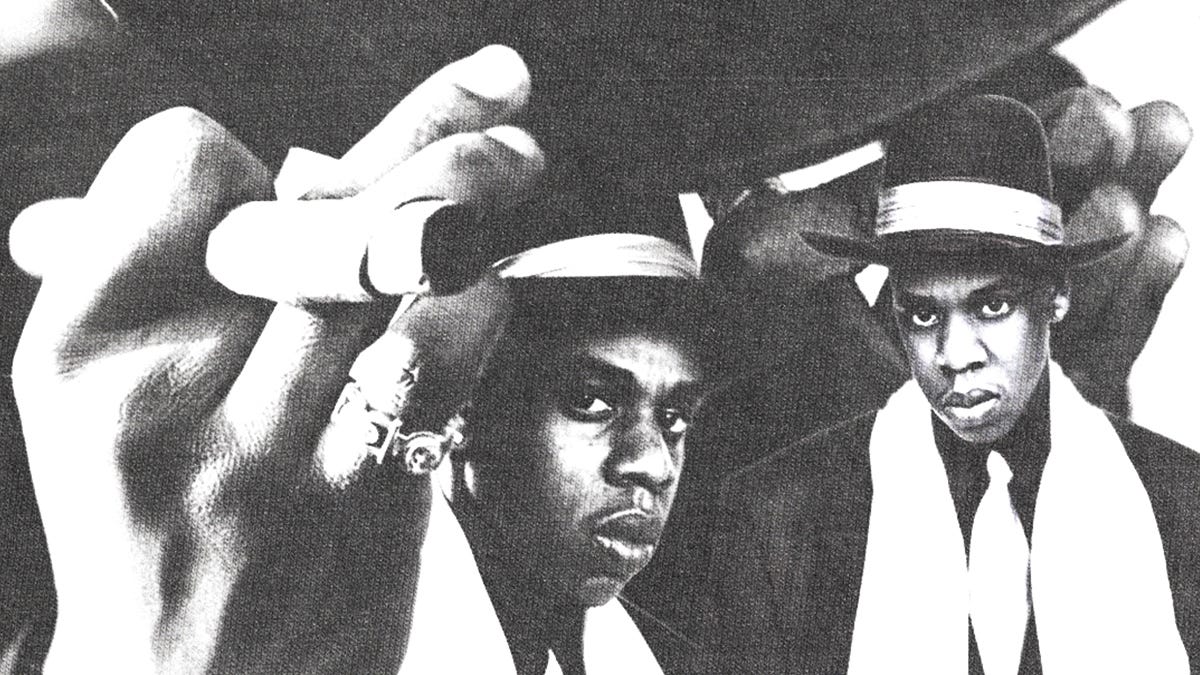
Why Jay-Z? Out of every rapper, from Brooklyn to Compton, why did Shawn Carter emerge as the platonic ideal of the hip-hop superstar? It is a valid question, considering that for most of his cohort’s rise, he was a non-factor—an unsigned technical stylist seemingly behind the times. The truth is nuanced: going from project housing to billionaire status required a specific talent taking advantage of a specific set of circumstances at the exact right time. Much of that trajectory is tied to Reasonable Doubt, the fulcrum for a musical career that shaped hip-hop’s central concerns and direction in ways that still reverberate today.
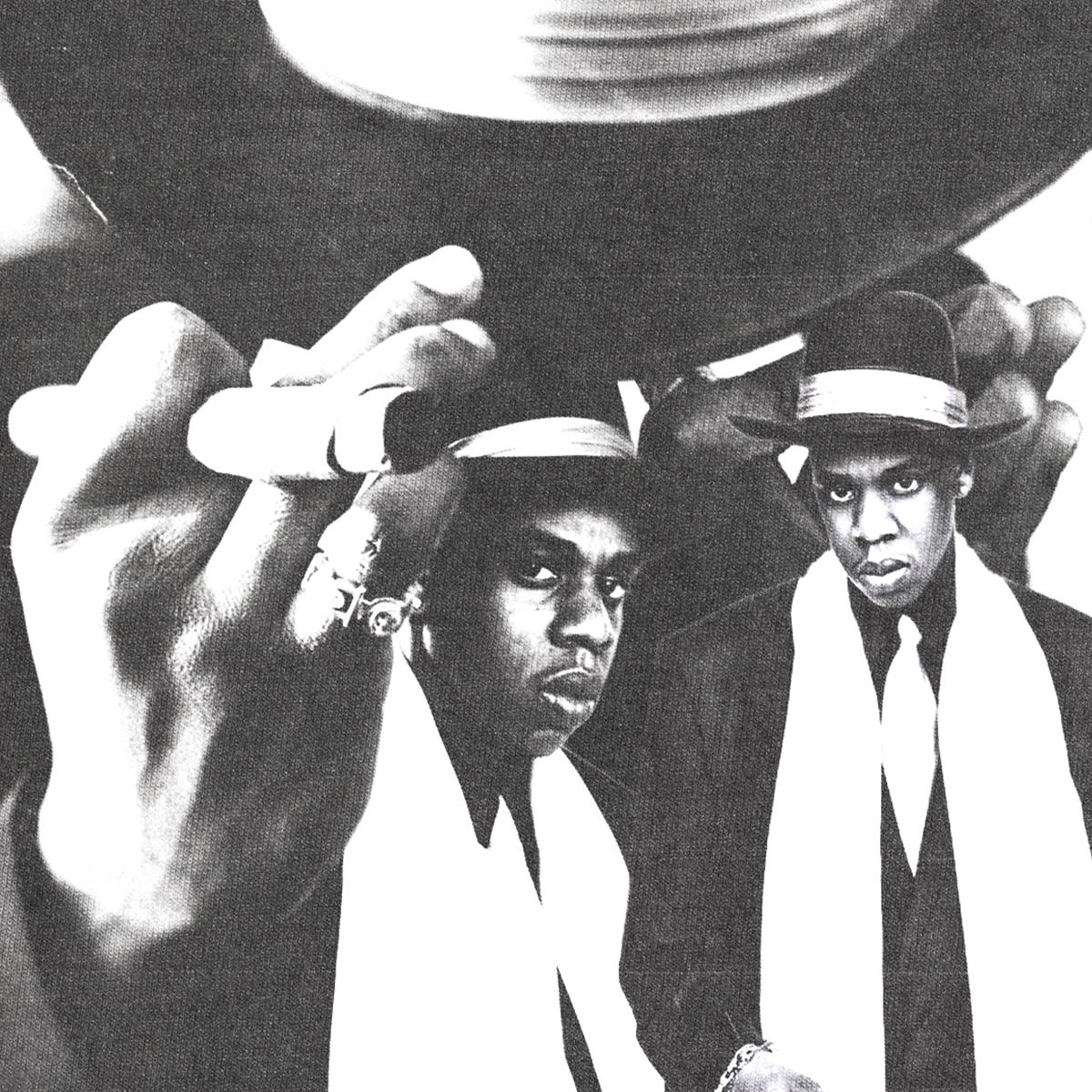
Discussing Reasonable Doubt requires caution. Since The Blueprint, Jay-Z has been intent on shaping his own myth—one that depicts him as smart but fortunate, streetwise yet above the fray. The reality is more contingent: lyrically, he was always the equal of peers like Biggie and Nas, but his early failure to break through allowed him to take advantage of the art form’s changing concerns, becoming the voice of a generation reaching adulthood.
The Maturity of a Debut
Understanding Jay’s rise means remembering the early 1990s, when rap was still largely viewed as music for teenagers. While his peers had their breakthrough records between the ages of 20 and 23, Jay-Z was already 26 when Reasonable Doubt dropped in 1996. He was a grown man performing for an audience that was also leaving teenage concerns behind. He could draw on experiences from a fraught early adulthood, iterating on the successes of others while maintaining his own unique perspective.
Defining the Archetype
On Reasonable Doubt, Jay-Z is world-weary and desperate. He makes it clear that drug dealing is a life he wants to escape but cannot. Tracks like “Feelin’ It” and “D’Evils” illustrate this duality: the former turns piano bar jazz into an ode to the high life, while the latter showcases the hidden costs of crime—violence, alcoholism, and the corruption of the soul. This was not a political critique or a performance for frightened parents; it was a man coming to terms with his own trauma.
Yet, the project is far from dour. It revels in cockiness, with production that skates the line between hi-fidelity gloss and soul. Jay-Z wasn’t rap’s first drug dealer, but thanks to this record, he became the archetypal one. As he transitioned into a legacy act, Reasonable Doubt has only grown more important. It remains the Rosebud to his Charles Foster Kane: the emblem of lost innocence that explains the man, laying out exactly what he sacrificed to have it all.