
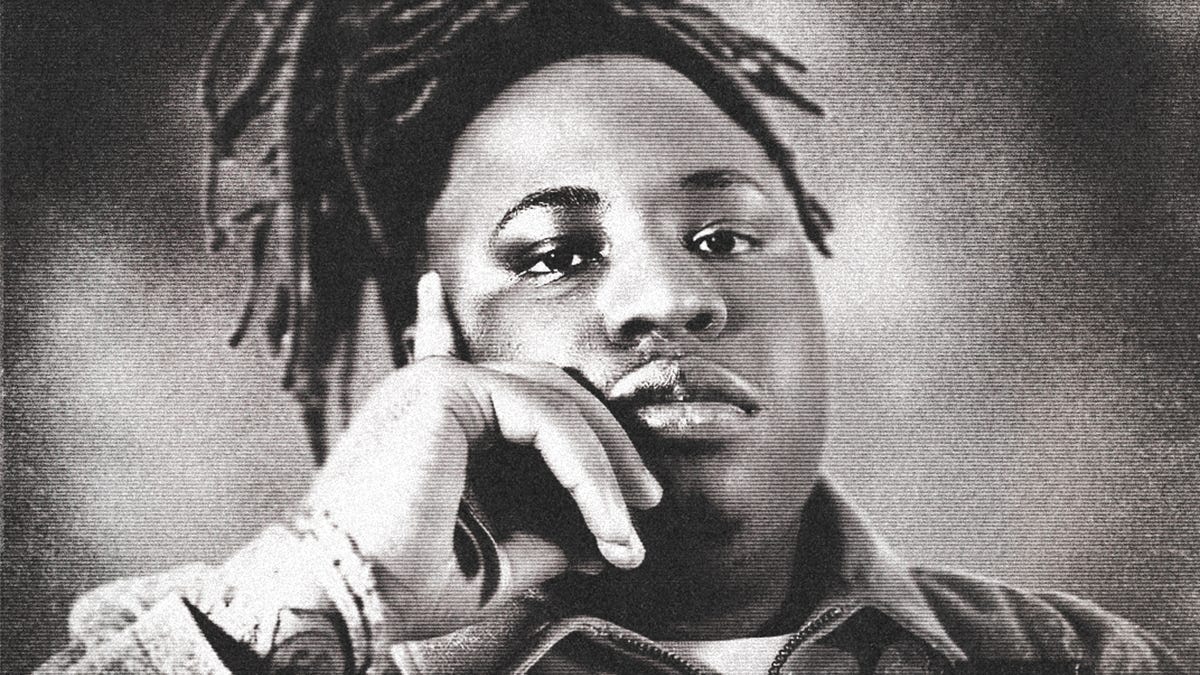
The best music history is often written in the margins, under the comment sections of viral videos. Not long ago, a reflection on early rap production highlighted how the best records were optimized for the streets—meant to ricochet off city buildings and blast from basketball courts. While “audiophilia” often prioritizes the sterile environment of a high-end studio, the truly immortal beats are the ones that remain unmistakable, even when compressed, distorted, or played through the tinny speakers of a passing car.
Tay Keith, the Memphis-born producer, mastered this art of immediate recognition. His work for artists like Key Glock, most notably on the track “Russian Cream,” was not just immersive; it was instantly identifiable. It possessed a unique sonic signature—a blend of thunderous drums and haunting, ethereal melodies that felt like a landscape pulled from a dream. There was no mistaking a Tay Keith production for anyone else’s.
A Legacy of Innovation
Yesterday, Tay Keith was found dead in his Nashville apartment following a welfare check. He was 29 years old. Born Brytavious Lakeith Chambers, he carried the rich, club-rooted lineage of Memphis hip-hop to a global stage, becoming one of the most imitated and innovative producers of his generation.
A Tay Keith beat could be as spare as a few piano notes, yet it was always designed to be felt in the feet as much as the head. His collaborations with BlocBoy JB turned dance music into a visceral experience. Whether he was flipping slasher movie scores into anthems or mutating turn-of-the-century soul samples into something darker and more harrowing, his influence was undeniable.
Defining the Sound of the 2010s
In 2018, Keith solidified his place in the canon by producing the final movement of Travis Scott’s “Sicko Mode.” Even alongside heavyweights like Drake, Keith’s production recalibrated the entire record. His signature producer tag—“Tay Keith, fuck these n—-s up!”—became a hallmark of the era, a profane announcement that a seismic shift in the track was about to occur.
Beyond the charts, Keith was a dedicated student of his craft. A graduate of Middle Tennessee State, he frequently partnered with non-profits to provide schools with musical instruments and software. He often spoke of a future in academia, hoping to eventually become a college professor. While that chapter will remain unwritten, his contributions to music will be studied by generations of producers to come. Whenever a listener hears one of his beats, they will know exactly who is behind the sound.