
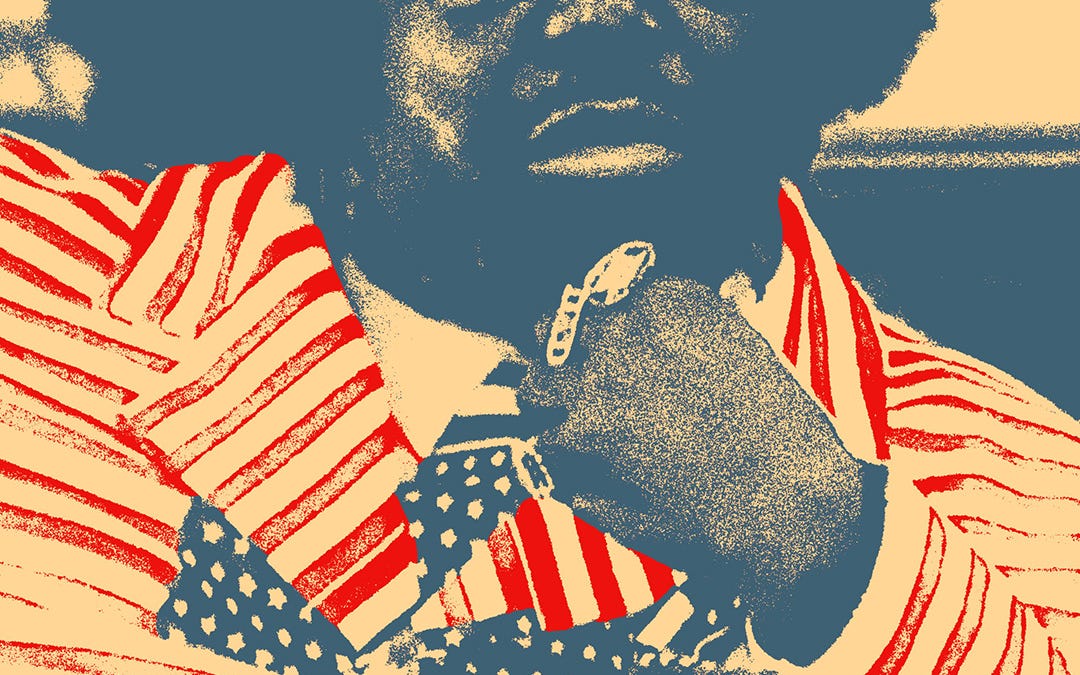
The Unlikely Activist
Afroman is back, commanding worldwide attention at a scale we haven’t seen since the turn of the millennium, when he was penning stoner karaoke standards from the backwoods of Mississippi and distributing the mp3s through Napster. The fact that almost every news item is obliged to preface his name with a mention of his defining anthem, “Because I Got High,” shows how long it’s been since most Americans have even thought of Afroman, a rapper who established himself as the mad genius behind your favorite novelty weed song—leaving such a big imprint in a particular moment of time that, for the public, his memory was stuck there.
At least, until now. Never one to evade the reach of the law, the “Palmdale” rapper has spent the past three-and-a-half years at the mercy of vengeful Ohio sheriff’s deputies, who busted down the door of his Winchester residence in 2022, then got upset and sued him when Afroman did what Afroman does best: rap about everything that happened, from the warrant to the damage to the aftermath. The Adams County Sheriff’s Department relied on a confidential tipster who claimed to have seen large hoards of weed and money at Afroman’s home, as well as women forcibly detained in the basement. There was no other documented corroboration or evidence, but a judge signed off anyway.
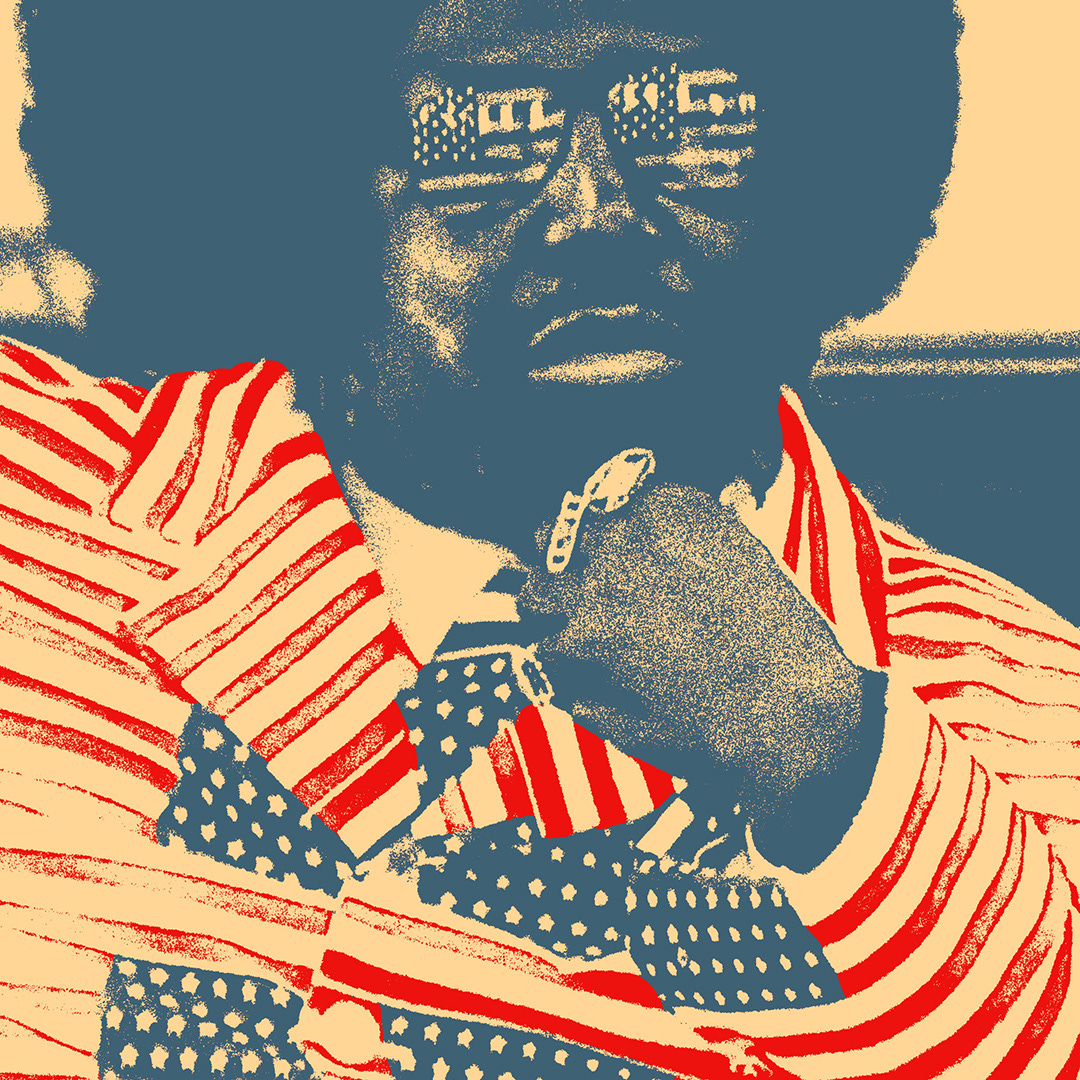
Art by Deliria Vision
Turning the Tables on Authority
It turned out, Joseph Edgar Foreman actually had nothing in his house except for his wife, kids, and CD collection—and a bunch of cameras, which nicely complemented his wife’s cellphone recordings of the break-in. So even though one of the raiders tried to break his recording equipment, he had enough clear footage to blast all across social media, while taking care to point out Adams County sheriff’s deputies got nothing from his house except some lemon pound cake crumbs.
Not content to merely identify the warrant-signing judge and the instigating cops—much like how Mac Dre named Det. McGraw on “Punk Police”—Afroman publicized everything about them he could, through songs and video clips. Nothing was off-limits, from the officers’ professional indiscretions to their spouses. A retaliatory lawsuit, filed against Afroman back in 2023, is simply horrified that he would treat law enforcement in such a manner, singing about their lives and spreading their photos across the internet. But what did Afroman do that made this a legal matter, exactly? Well, per the filing, he caused them “emotional distress, embarrassment, ridicule, loss of reputation, and humiliation.” It was self-evidently ridiculous—and when Afroman finally faced the charges in court this month, his American flags and First Amendment knowledge in tow, the jury quickly agreed.
A Legacy of Resistance
Since we live in a country that reacted to a mass protest movement against police racism and brutality by promulgating the most sweeping civil rights rollback in decades—including multiple prosecutions that attempted to lock up rappers on the basis of their lyrics alone—the resilience of Afroman on the stand couldn’t help but inspire. He exposed an instance of police abuse, resisted the inevitable retaliation for it, doubled down on the taunting, and won so handily that Wikipedia now deems him a “civil liberties activist.” Even Fox News had to respect the game. As with 2 Live Crew in the ’90s, it took the horniest and bawdiest of rappers to remind the United States of the freedoms it promises.
Which brings me to why I’m here. Yes, Afroman fought the law—but let’s not forget, he made some genuinely interesting music in the process. The first song he released about the ordeal, “Why You Disconnecting My Video Camera,” has a wickedly dense yet zippy chorus. An ode to the First Amendment takes the chorus to the Carpenters’ “Superstar,” drops it down maybe four octaves, and reminds the po-po not to amend his constitutional freedoms for their personal vendetta. More recently, we’ve got an irresistibly catchy downtempo bounce that reminds you, over and over again, that “Randy Walters is a son of a bitch.”
It’s honestly a pretty quality batch of music, initially released piecemeal over the years before ramping up this month as the trial took off in earnest. Appropriately, Foreman is going to bundle the newer songs together in a new album, Freedom of Speech, which drops on April 20. In anticipation, it is clear that Afroman has successfully navigated a legal nightmare while reminding the world that he is more than just a famous novelty act; he is a resilient artist who knows how to turn the #RealNews into a lasting cultural statement.