
In the early 2010s, the north side of Long Beach, California, became a place synonymous with struggle. It was a landscape where police surveillance was a constant, and survival often meant navigating the thin line between the actions one took to stay alive and the consequences of those choices. It was here that a young Vince Staples emerged, sending unsparing dispatches from his reality that, in hindsight, served as a haunting preview of the nation’s trajectory.
The Evolution of a Discography
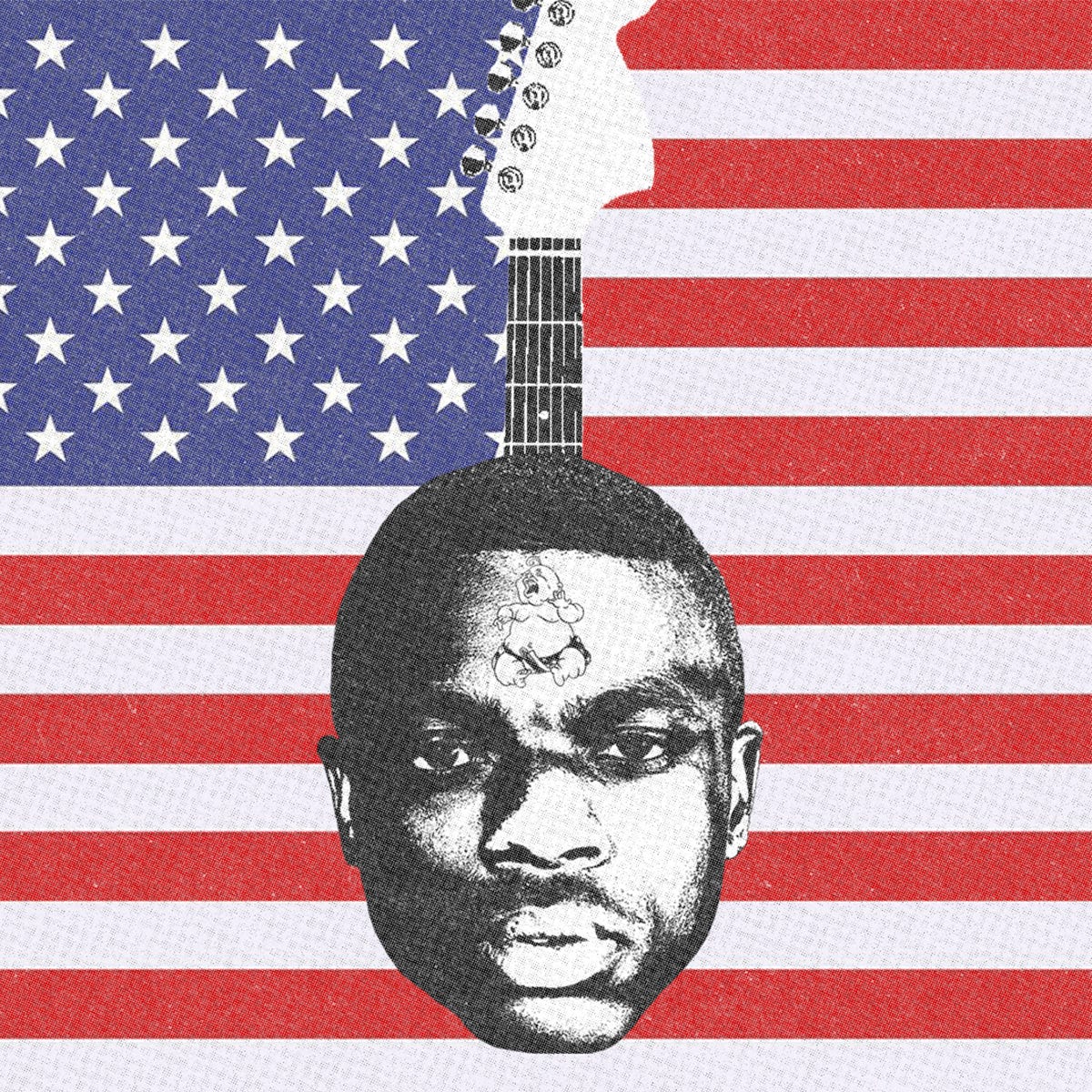
Within the Staples catalog, Shyne Coldchain Vol. II often stands as a forgotten chapter. Named after Shyne and Rosco P. Coldchain, it serves as a sequel to his 2011 debut. While many listeners recall the project for the poignant track “Nate,” a deep dive into the artist’s relationship with his absent father, the project’s true weight lies in tracks like “Oh You Scared.”
The production on “Oh You Scared” is intentionally disorienting, blending warped synths with Jhene Aiko’s ethereal vocals before cutting through with aggressive, percussive drums. It is a masterclass in tension, mirroring the artist’s own internal dialogue regarding his environment and his upbringing.
Mentorship and Artistic Growth
Staples’s path to music was not linear. After initial setbacks, his creative spark was reignited by Earl Sweatshirt and Mac Miller. The technical guidance provided by Mac Miller—focusing on projection, ad-libs, and rhythmic precision—proved transformative. This growth was evident in his breakout verse on the Earl Sweatshirt track “Hive,” which solidified his reputation for raw, unflinching honesty.
Critique of Faith and Survival
A recurring theme in Staples’s early work is his skepticism toward religious institutions as a solution to systemic poverty and violence. Raised in a religious household and attending the Optimal Christian Academy, Staples developed a cynical view of prayer as a shield against the harsh realities of his neighborhood. As he famously noted in a 2013 interview, prayers could not stop a bullet, a sentiment that remains central to his critique of how society attempts to address the suffering of marginalized communities.
Today, as we navigate an era defined by resource scarcity and political volatility, the early warnings embedded in Staples’s music feel more relevant than ever. His work forces us to confront the uncomfortable question: when the systems we rely on fail, what are we truly willing to do to survive?