
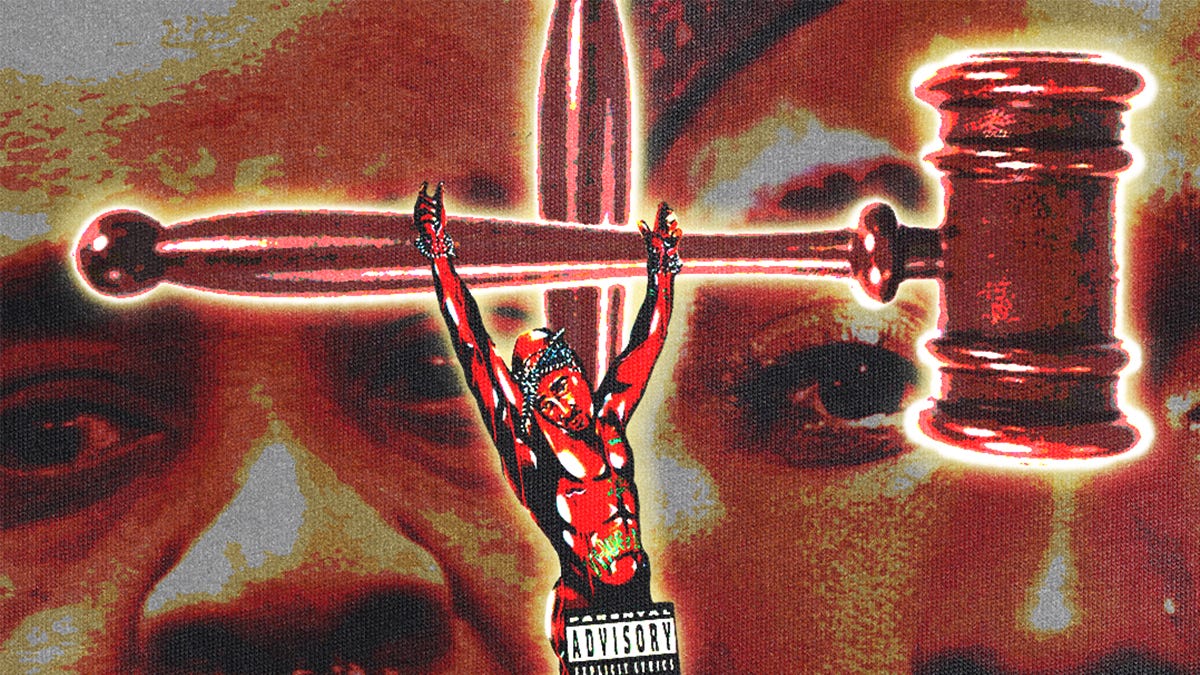
The final moments of 2Pac’s life remain etched in the cultural consciousness. On September 7, 1996, following a Mike Tyson fight in Las Vegas, the 25-year-old icon was riding high, feeling untouchable despite the volatile atmosphere surrounding Death Row Records. What began as a celebratory night quickly spiraled into a confrontation at the MGM Grand, where 2Pac and his entourage assaulted Orlando “Baby Lane” Anderson, a member of the South Side Compton Crips. Hours later, as 2Pac and Suge Knight traveled toward Club 662, their vehicle was ambushed, marking the beginning of a three-decade mystery that has finally reached the courtroom.
The Long Road to Justice
Thirty years later, the legal system is attempting to provide closure. Duane “Keffe D” Davis is set to stand trial for murder with a deadly weapon, with prosecutors alleging that the killing was a retaliatory act orchestrated by the South Side Compton Crips. The prosecution’s case relies heavily on Davis’s own admissions, including those made in his 2019 autobiography, Compton Street Legend, and various media interviews where he discussed his involvement in the events of that night.
“We live in a more skeptical world than ever before,” says Michael Sanft, the defense attorney for Keffe D. “I don’t think because someone just says something, we treat it as the gospel truth. It’s one thing to say something on camera or in a book, it’s another to prove that it’s true.”
The defense argues that these confessions were performative, intended for entertainment and financial gain rather than as factual accounts of a crime. As the trial begins at the Las Vegas Regional Justice Center, the core challenge remains: distinguishing between the myth-making of a street legend and the hard evidence required for a conviction.
Unraveling the Conspiracy Theories
For years, the lack of an arrest fueled a cottage industry of conspiracy theories. From claims of FBI involvement to elaborate plots involving Death Row security and even international sightings of the rapper, the public struggled to accept the reality of a gang-related shooting. Retired LAPD detective Greg Kading, who led a federal task force into the murders of both 2Pac and The Notorious B.I.G., eventually pivoted the investigation toward the narcotics case against Keffe D. This breakthrough provided the leverage needed to finally bring the case to trial, shifting the narrative from speculative fiction back to the grim reality of gang violence in the 1990s.
As the proceedings unfold, the focus remains on whether the state can prove that Keffe D was indeed the architect of the retaliation that ended 2Pac’s life. Regardless of the verdict, the trial serves as a somber reminder of the violence that defined an era of hip-hop history.