
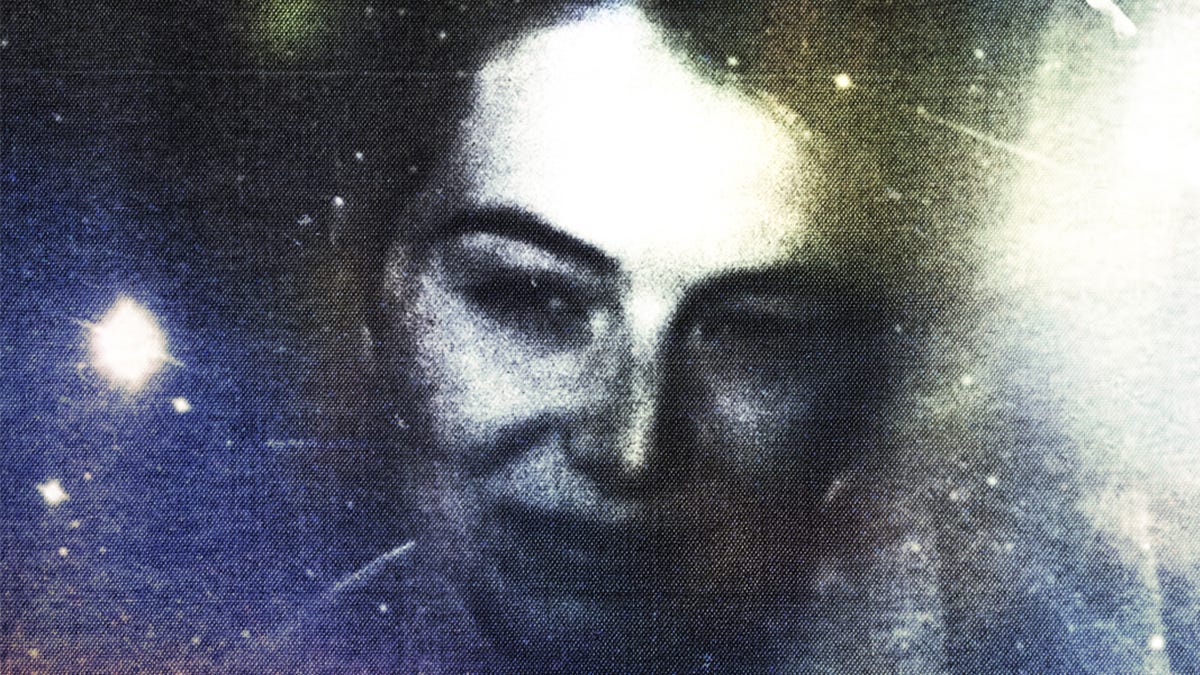
Eliana Glass is seated in her New York apartment, smiling in the sun, performing something of a séance. “There’s a phrase I love,” the Sydney-born, Seattle-raised singer and pianist says. “‘Meet the ghost.’ Maybe it makes more sense in another language, but it’s about not knowing who you’ll meet when you perform on stage: about being willing to be a vessel of the unknown.”
If this all sounds vaguely metaphysical, it should. E, Glass’s remarkable debut album, is anachronistic but playful, unpinnable and disorienting. The record, which was released on Shelter Press in April 2025, gestures toward vocal jazz traditions, but its sheer aesthetic range pushes against any molds suggested by the idiom. Tilt your head one way and you’ll see a warped Nina Simone; squint and you might spot a hint of Erik Satie; look at it in the right light and you’ll spy a hundred shuttered cabarets.
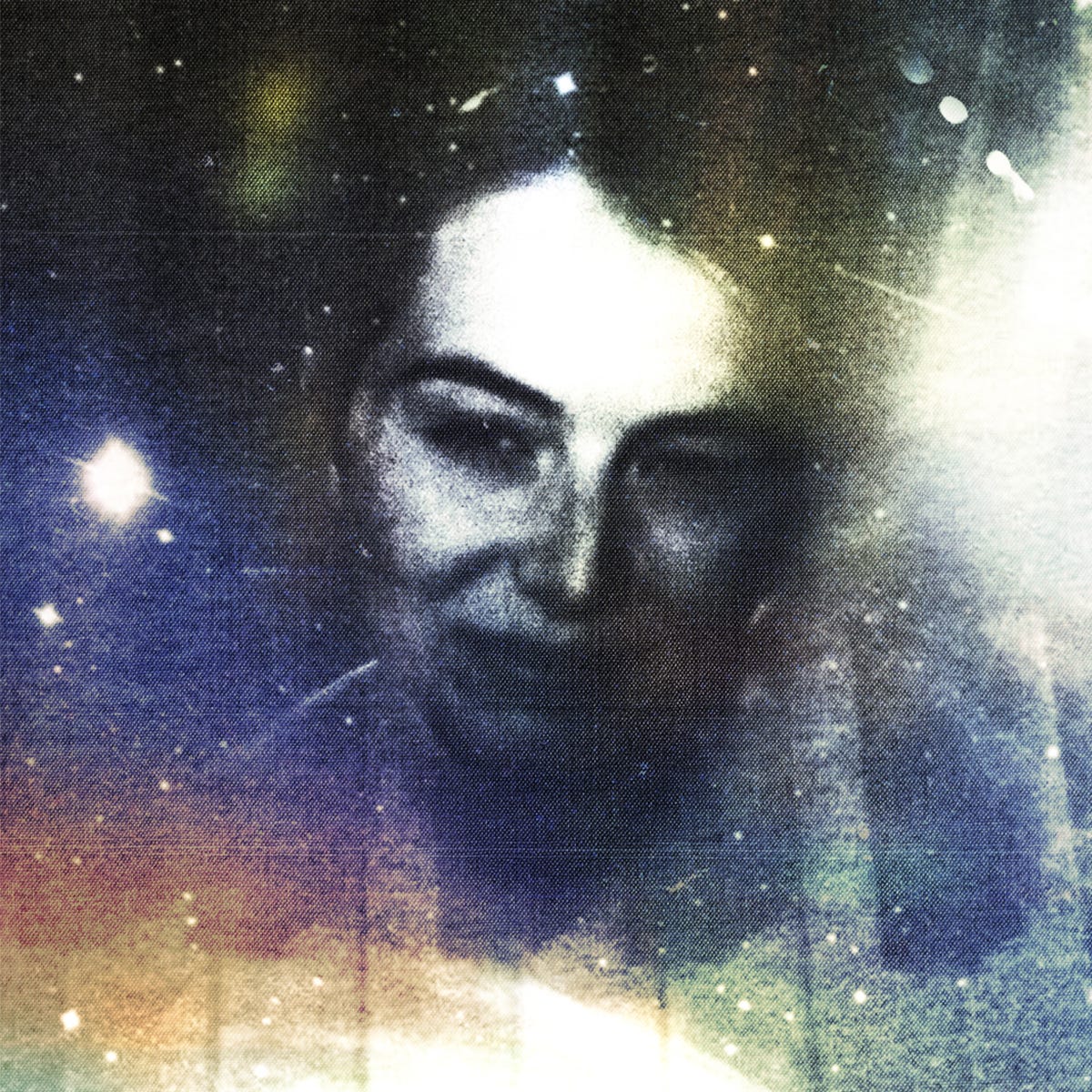
Art by DJ Short
While E has all the trappings of a confessional singer-songwriter record—spare instrumentation, bare lyricism, and little sonic obfuscation—it’s an awfully opaque affair, stuffed with lyrics that feel like koans. In conversation, Glass dodges any obvious attempts to nail down explicit meaning in her work, instead offering invitations for listeners to find their own lives between the verse and chorus.
The Art of the Trickster
Glass is currently preparing for a trip back to her parents’ home in Seattle, where she is looking forward to watching after their two poodles. “They’re definitely the most mischievous dogs my parents ever had,” she says. Then, laughing, she pulls out a skeleton key: “They have a lot of personality. I love a trickster.”
This fascination with the trickster archetype—the jester, the deceiver, the ironic figure—is central to her creative evolution. “I want to play with that more: the trickster character. As a subject matter, a trickster, or the jester. I think that’s an interesting subject that I would like to play with more: Irony, and deceiving qualities, maybe.”
Tomorrow—almost a year to the day after the release of E—Glass is, ever so slightly, tipping her hand. E at Home (originally subtitled Songs for Electromagnetic Voice) is, first and foremost, a demo album, but in its aesthetic deviations from E, it feels quietly radical. Here, you can hear her tracing out still-nascent melodies, playing an out-of-tune piano and tossing the results into temperamental recording equipment. The result is remarkable: familiar but distinct from the finalized product, each note coated in dust and smog.
Finding the Voice
Glass’s journey toward the piano and the voice was not a linear path. She found her way to jazz after singing in musical-theater contexts, seeking a space where she could bring her authentic self to an established form. “I didn’t really like playing a character, either, and jazz was sort of like, ‘Okay, you can bring who you are to this old form.’ I liked that freedom.”
She cites a deep love for Brazilian music—specifically artists like Elis Regina, Nara Leão, and Gal Costa—as a foundational influence on her vocal delivery. “I always felt like it didn’t need ornamentation. What was being said was plain and matter-of-fact, and there’s something strong about that emotionally, rather than making it ornate.”
When discussing the technical aspects of her new release, Glass emphasizes the importance of the medium. Using an old reel-to-reel machine that constantly broke, she sought to capture a specific, gem-like quality. “You can almost hear the particles of someone’s voice in an old recording, or the dust in the recording. I know those things aren’t true. It’s not like you’re hearing the particles, and the dust you’re actually hearing is actually static. But it feels true, and it has so much character to it that it leads to more heightened imagination.”
Ultimately, Glass remains committed to the idea that the music should speak for itself. Whether she is performing at a film screening or recording in her home, she is chasing that elusive moment where the performer disappears. “I feel the performer has the chance to disappear, or something, in the darkness of the room and the sound and the music. That just happens naturally. You forget what’s happening: Sort of being put on the spot, and you start talking, and you’re like, ‘I don’t know what I just said.’”