
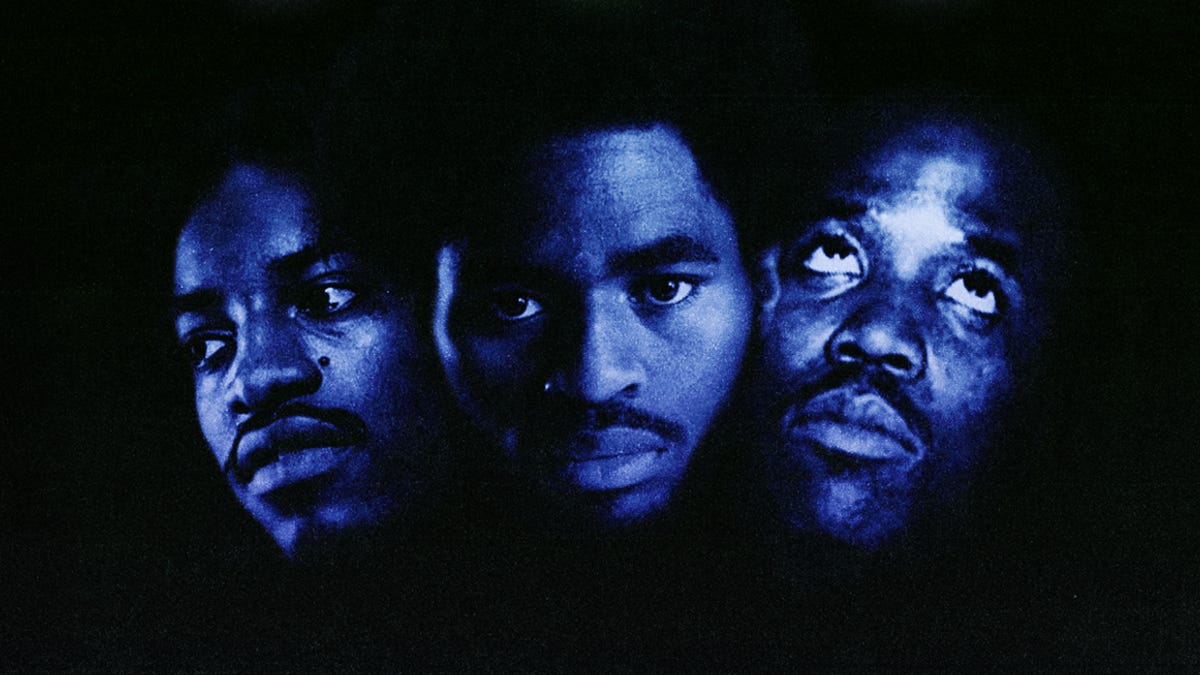
The history of hip-hop is inextricably linked to the evolution of identity. When Andre Benjamin and Antwan Patton first crossed paths in the cafeteria of Tri-Cities High School in East Point, they were rivals engaged in a series of lyrical battles. However, as they recognized their shared, generationally gifted talent, they pivoted from competition to collaboration. Their initial moniker, 2 Shades Deep, was short-lived, abandoned once they discovered another group already operating under the name 4 Shades Deep. They eventually settled on the iconic name Outkast.
This process of naming—and renaming—is a fundamental aspect of the creative journey. Yet, the recent legal friction between the legendary duo and the up-and-coming artist Ovrkast. highlights a contentious intersection between legacy and modern branding. The lawsuit, which centers on the similarity of their names, raises significant questions about the ownership of artistic identity and the long-standing practice of adopting monikers that may echo those of established predecessors.
As Shakespeare famously mused, “What’s in a name?” In the music industry, the answer is often everything. From the evolution of Shawn Carter into Jay-Z to the countless artists who have navigated the complexities of trademark law, the struggle for a unique identity remains a constant. The current dispute serves as a reminder that while the industry has changed, the fundamental desire for artists to define themselves on their own terms remains as potent as ever.