
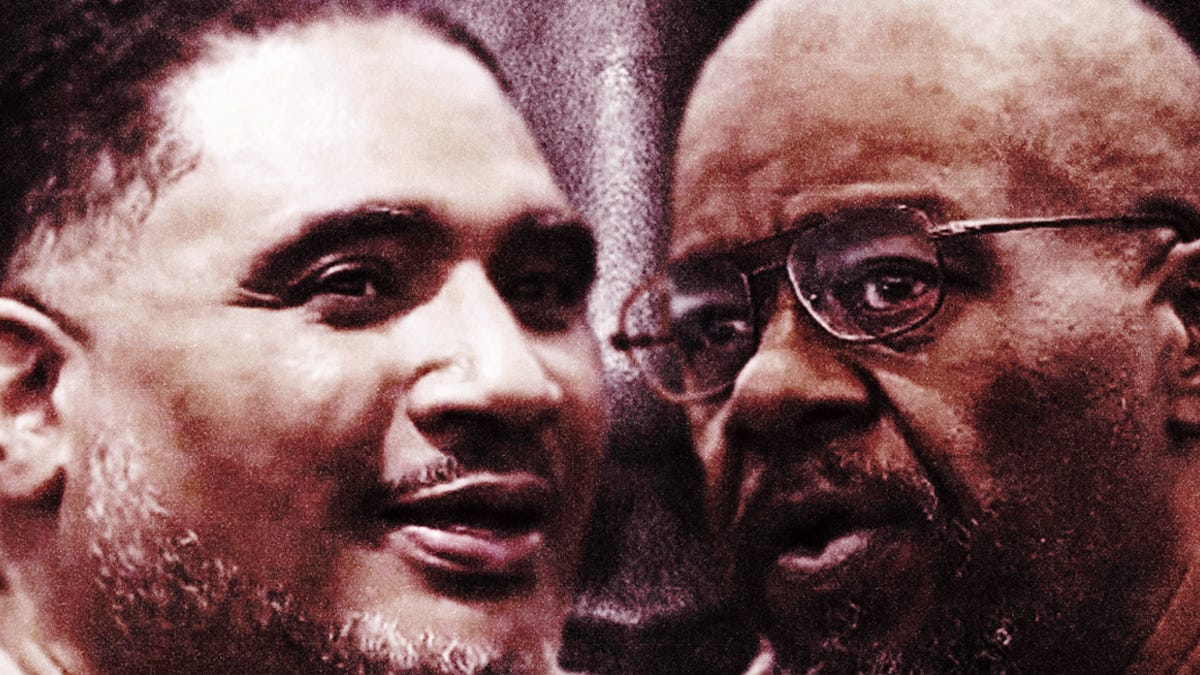
Legends are often immortalized through biopics, but those left in their wake frequently find themselves trapped in a pay-to-play YouTube purgatory. 2Pac’s lyrics famously questioned whether there is a heaven for a gangster; while the answer remains elusive, it is increasingly clear that the modern equivalent of hell is other people’s podcasts. The ongoing 2Pac trial has become a focal point for this phenomenon, where the pursuit of truth is often obscured by the clamor of digital content creators.
Late in the afternoon of August 18, during the second day of the trial, former Death Row security head Reggie Wright Jr. faced a rigorous cross-examination from Keffe D’s attorney, Michael Sanft. This followed earlier, highly charged testimony from former Death Row enforcer James “Mob James” McDonald, who notably insisted on being treated as a “hostile witness.”
The Intersection of Testimony and Content Creation
The defense attempted to challenge Wright Jr. regarding his involvement in the ecosystem surrounding the late rapper’s death. “At some point you instructed Keffe D that he could actually make money doing that YouTube stuff?” the attorney asked. Wright Jr., who has long been a fixture in the conspiracy theories surrounding the case, maintained a firm stance.
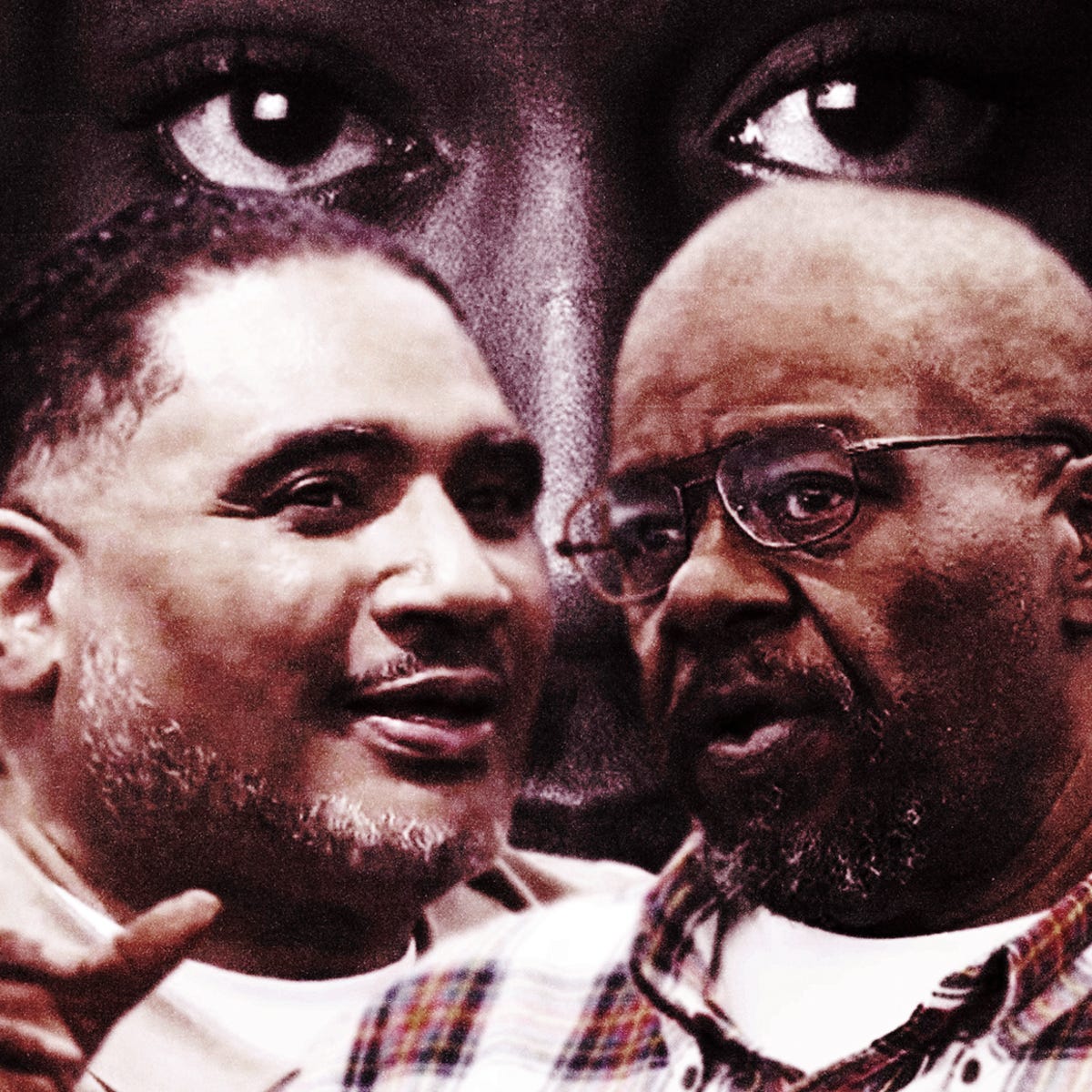
“I did pass [Keffe D’s] number on to a few YouTube channels,” Wright responded, acknowledging his role as an occasional podcast guest and host. “After he and I had this discussion about doing something on my channel. But I refused to pay him, I’m not giving [money to] someone who I believe is 2Pac’s killer.”
The Economy of Outrage
The trial highlights a broader, troubling trend: an entire economy built on manufactured controversy and the commodification of memory. In this digital landscape, YouTube interrogators often prioritize engagement over accuracy. The incentive structure favors those who can weave complex narratives from half-truths, as the outrage algorithm rewards those who keep the comment sections flooded.
As the proceedings continue, the contrast between the gravity of the legal process and the performative nature of the podcast circuit remains stark. While Wright Jr. recounted his personal history and his actions on September 7, 1996, the shadow of the “content” industry looms large, reminding us that in the age of information, the truth is often the first casualty of the pursuit of clicks.