
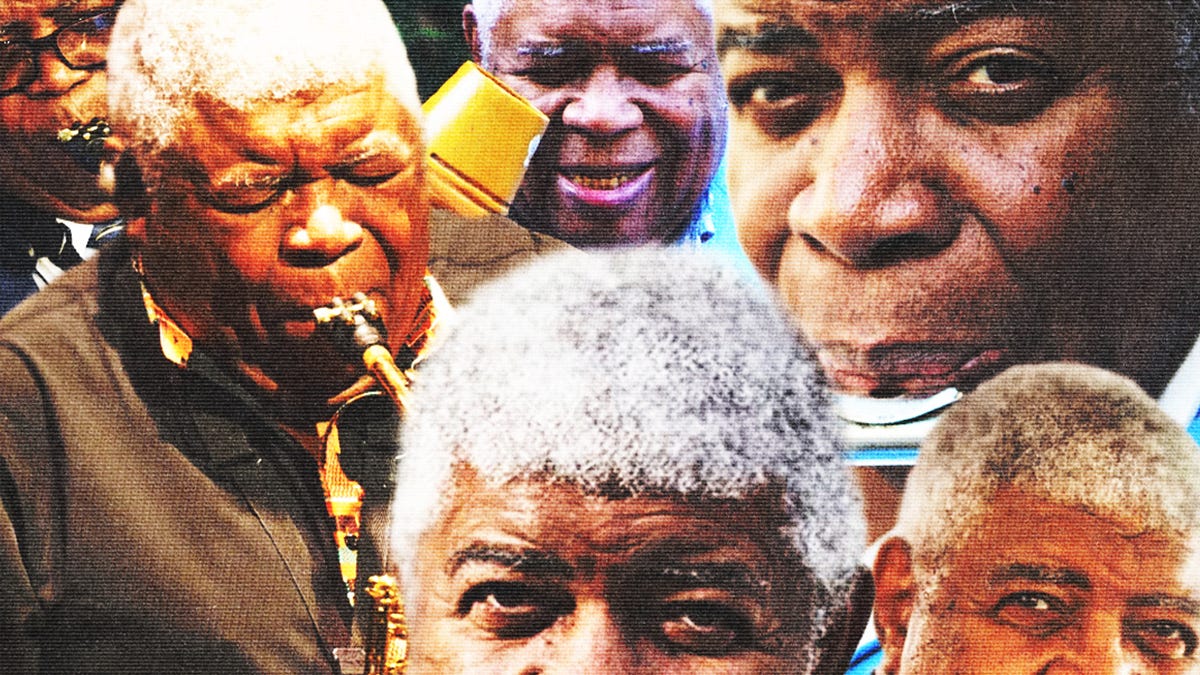
Jazz aficionados may not immediately recognize the name Roger Glenn, but they have undoubtedly encountered his artistry. As a cornerstone of the 1973 classic Black Byrd by Donald Byrd, Glenn’s flute work helped define an era of jazz fusion. His career, spanning over six decades, includes collaborations with luminaries such as Mary Lou Williams, Mongo Santamaria, Cal Tjader, and Taj Mahal, alongside tours with legends like Dizzy Gillespie and the Count Basie Orchestra. Today, the San Francisco Bay Area resident remains a vital force, celebrating both his past and his future with the reissue of his 1976 debut, Reachin’, and the release of his latest project, My Latin Heart.
A Lifetime of Musical Alchemy
Born into a family of jazz royalty—his father, Tyree Glenn, was a celebrated trombonist and vibraphonist for Duke Ellington and Cab Calloway—Roger Glenn’s path was paved with musical excellence. Despite his pedigree, Glenn’s development was organic, fueled by a natural gift and an environment rich with the greatest musicians of the 20th century. His early years were marked by high school friendships with producers Fonce and Larry Mizell and military service alongside Grover Washington Jr. and Billy Cobham.
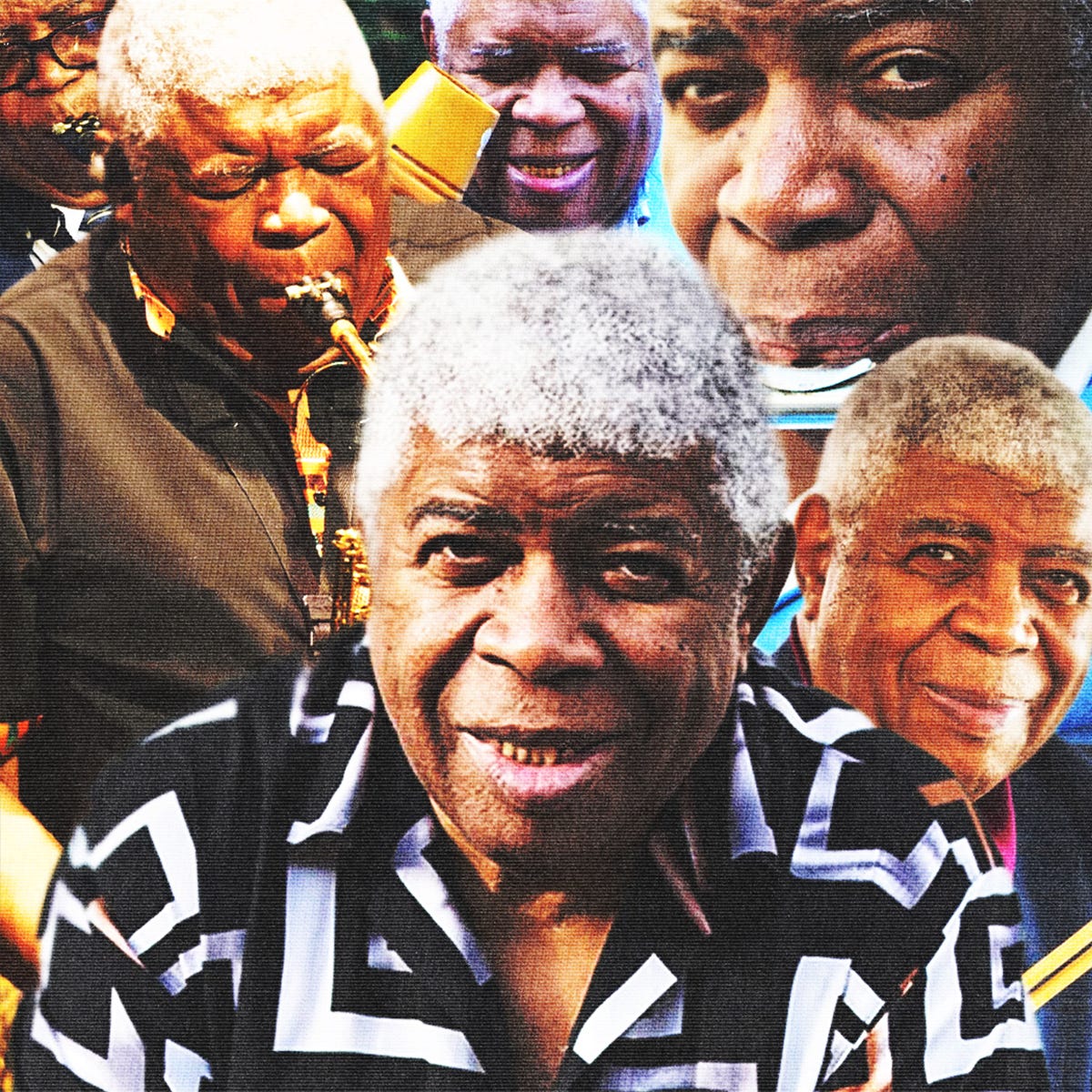
Glenn’s debut album, Reachin’, stands as a testament to his versatility. Produced by the Mizell Brothers, the record is a searing fusion of funk, Latin rhythms, and jazz. Fifty years later, Craft Records has brought this landmark collection back to the forefront as part of its Jazz Dispensary Top Shelf Series. The album remains a masterclass in groove, featuring the legendary bassist Paul Jackson and guitarist Ray Obiedo, capturing a moment where jazz, funk, and Latin influences collided with effortless precision.
The Evolution of a Sound
While Reachin’ showcases a high-energy, fusion-forward approach, Glenn’s latest work, My Latin Heart, leans into the acoustic Latin jazz tradition he has cultivated throughout his life. For Glenn, the pursuit of musical alchemy is about understanding how cultures intersect. “I’ve always been interested in the music of the Americas and the music of the world and how these cultures come together to create different music,” he explains.
Whether he is playing the flute, vibraphone, or any of the numerous woodwinds in his arsenal, Glenn’s philosophy remains rooted in the present moment. He credits his ability to switch between genres—from the complex arrangements of jazz to the soulful depths of the blues—to a simple, profound truth: music is about connection. As he looks toward the future, Glenn is eager to bring his music to live audiences worldwide, viewing his recorded albums as “calling cards” for the live performance experience that defines his artistic identity.