
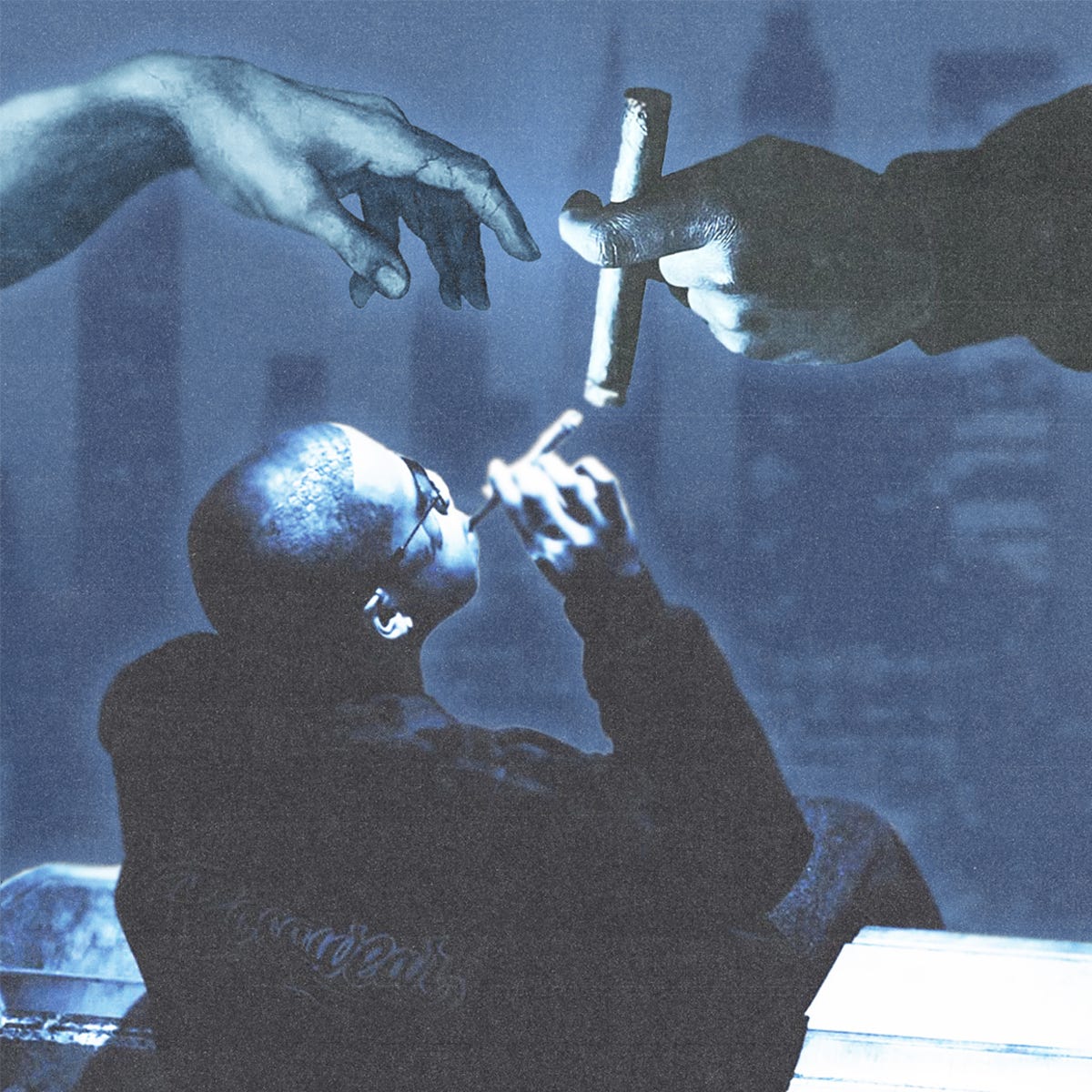
In the third installment of our series reexamining the landscape of hip-hop in 2001, we revisit the album that cemented Jay-Z‘s legacy: The Blueprint. This record remains a cornerstone of the genre, representing a pivotal moment where commercial dominance met creative precision.
Editor’s note: Over the course of this year, we’re publishing a series of essays about the rap albums that defined 2001, both creatively and industrially, and whether they predicted or were abandoned during the quarter-century to follow.
To understand the cultural climate of 2001, one must visualize the aesthetic of the era: mid-tier flatscreen televisions, R. Kelly in a white cowboy hat, bucket hats, and the excess of early-millennium luxury. It was a time of diamonds and palm fronds, a visual language that The Blueprint captured perfectly.
The Rapid Creation of a Classic
While the album is often cited for its polished, blockbuster sound, its creation was remarkably swift. Jay-Z’s longtime engineer, Young Guru, recalled in a 2011 interview with XXL that the recording process was almost frantic. Jay-Z famously recorded all three verses of “Heart of the City (Ain’t No Love)” in a single take, stepping out of the studio booth while a music video played on a nearby screen.
A Collection of Stolen Moments
Perhaps the most fascinating aspect of The Blueprint is that many of its iconic beats were never originally intended for Jay-Z. Kanye West, then a rising producer, had crafted “Heart of the City” with DMX in mind, while other tracks were earmarked for artists ranging from Ghostface Killah to local Chicago rappers. The album’s singular feature, “Renegade,” was originally a collaboration between Eminem and Royce da 5’9”. This serendipitous assembly of tracks resulted in a cohesive, career-defining project that remains a masterclass in curation and execution.