
The Intensity of Modern Fandom
The landscape of popular music engagement has shifted dramatically, often veering into territory that challenges the boundaries of healthy devotion. In a digital age where listeners are incentivized to prove their loyalty through streaming chart manipulation, doxxing rivals, or enduring extreme physical conditions for a glimpse of their idols, the relationship between artist and fan has become increasingly complex. As filmmaker Lina Abascal notes, even emerging artists now command a level of fervor that was once reserved for global icons.
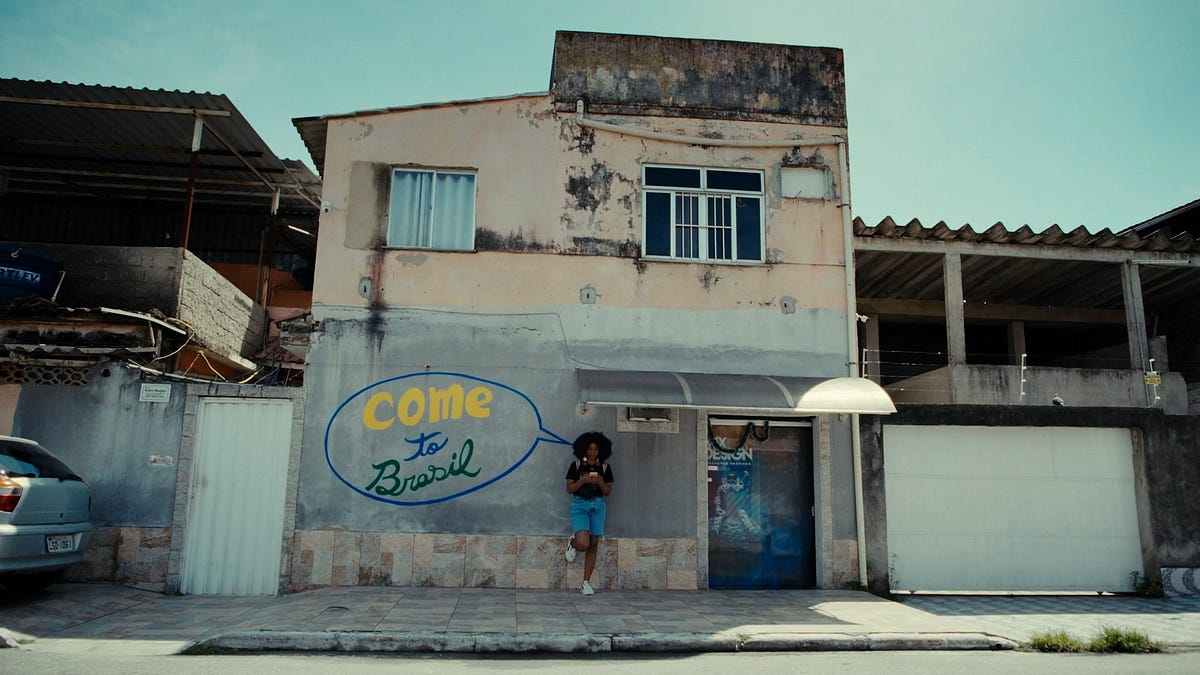
The phenomenon of the “Come to Brasil” request, which began circulating on platforms like MySpace and Twitter as early as 2008, serves as a focal point for this intensity. For many Brazilian fans, the plea is not merely a meme but a genuine expression of longing in a market that has historically been underserved by international touring circuits.
Documenting the Brazilian Experience
In her recent documentary for Rolling Stone Films, Abascal examines how this devotion shapes the lives of fans in Rio de Janeiro. The film highlights the stark contrast between the casual consumption of music in the West and the high-stakes commitment required of fans in the Global South. For many Brazilians, securing a spot at a concert is a monumental effort, often involving significant financial sacrifice and physical endurance.
The documentary avoids the cynical “gawking” often found in Western media coverage of superfans. Instead, it frames fandom as a display of faith and resilience. Abascal emphasizes that for these fans, the music provides a sense of identity and possibility, particularly for those who have historically been excluded from the global pop culture conversation.
The Economics of Global Pop
Beyond the personal stories, the film touches upon the economic realities of the music industry. The “Come to Brasil” narrative is inextricably linked to the global dispersion of cultural and economic power. While cities like Glendale or Sydney have seen legislative changes and city-wide rebrandings to accommodate massive pop tours, Brazil has often struggled with the logistical excuses provided by artists and promoters. However, as the country continues to host record-breaking events, the power dynamic is slowly shifting, forcing the industry to reckon with the necessity of including the Global South in long-term touring infrastructure.
Ultimately, the documentary suggests that the true value of fandom lies in the process—the community built, the identity forged, and the shared experience of waiting for a moment that feels earned. As Abascal concludes, the “Come to Brasil” movement is less about the artist themselves and more about the affirmation that the fans who express it truly matter.