
The Memphis Synth-Punk Evolution
This conversation must begin with Nots. Arguably the greatest art-punk band the 2010s had produced, the trio-to-quartet-to-trio formed at a pivotal time in the Memphis punk scene’s existence—where its denizens had largely moved away from the messy, rhythm & blues it had been renowned for since the heyday of the Oblivians and the Reatards.
Formed in 2011 by Natalie Hoffmann, Charlotte Watson, and Laurel Ferndon, Nots released a handful of killer seven-inches and three LPs prior to their 2019 hiatus. Their full-length catalog was bookended by two great efforts, We Are Nots and 3, with the middle effort, 2015’s Cosmetic, standing as one of the decade’s best punk records.
Glints of several musical styles can be detected in Nots’ singular brand of punk music; bits of hardcore and post-punk, more than a dollop of no wave, and a profound psychedelic aftertaste, all mixed with stained glass shards in an industrial strength blender.
The Birth of Optic Sink
Hoffmann had never played in just one band for too long since she moved to Memphis for art school. By Nots’ quiet indefinite hiatus in 2019, she had started a synth-driven project called Optic Sink. Chem trails from 3 lingered in the sound of Hoffmann’s new outfit, but it all felt intentional.
While playing synthesizer for Nots, Hoffmann landed on a handful of songs that revealed themselves to be worthy of their own project. She contacted Ben Bauermeister—formerly of Memphis garage poppers Magic Kids—who played percussion on drum machines for this new group. Together, they recorded Optic Sink’s self-titled debut and released it in early October 2020—about six months into pandemic lockdown, an unexpectedly ideal timeframe for such a thrillingly claustrophobic LP.
Expanding the Sonic Palette
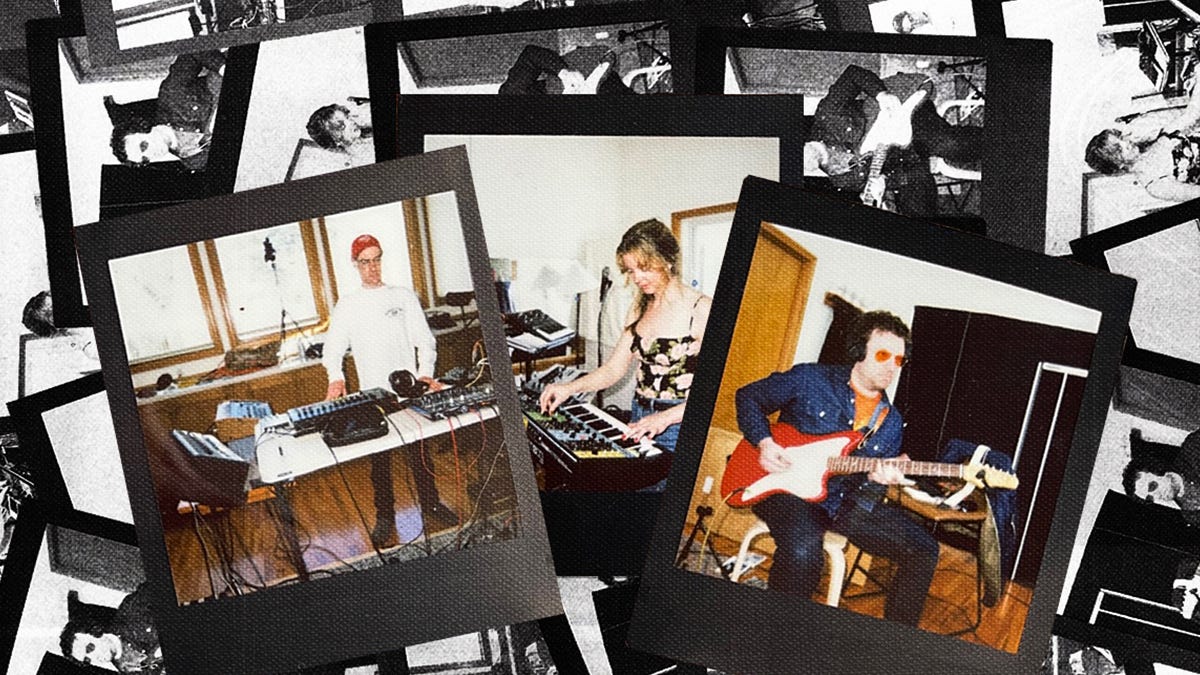
If Optic Sink was the bedroom synth-punk masterpiece reverberating across the underground during the heaviest days of COVID lockdown, 2023’s Glass Blocks found the band expanding their sound once people finally started making their way outside. This panoramic version of Optic Sink can be credited in part to its addition of Keith Cooper and its production, courtesy of Caufield Schnug of Caufield production, courtesy of Caufield Schnug, founding member and guitarist of Sweeping Promises.
The most immediate realization I came to when listening to Lucky Number for the first time late last year was how immense it sounded. Rife with layered, sophisticated, and frankly irresistible tunes, Lucky Number has earned frequent comparisons to New Order since its Halloween 2025 release. Part of the structural perfection of the songs on Lucky Number could be attributed in part to Greg Cartwright—onetime member of the mighty Oblivians and the great Compulsive Gamblers, as well as on a very short list of the greatest songwriters to ever come from Memphis.
Cinematic Ambitions
Maya Deren was an artist of many disciplines, but she was best known and most celebrated as a filmmaker. Hoffmann has long cited Deren as an influence on her own multidisciplinary practice, and Optic Sink’s first show after Cooper joined the band in 2022 was the first of many where they live scored Deren films. Their recent release, Relentless Metamorphosis: An Original Score for the Films of Maya Deren, captures the band at their most adventurous, emphasizing each member’s ability to listen to and improvise with the others.
Memphis has inherently been known as a musical city for over a century at this point, and whenever the music from there is threatened to be pigeonholed, a new sound emerges; whether it’s Isaac Hayes, Three 6 Mafia, or a darkwave band led by an art school graduate, determined to render the ill-at-ease feeling in the air of modern America into something that turns our encroaching dread into sweat on the dancefloor.