
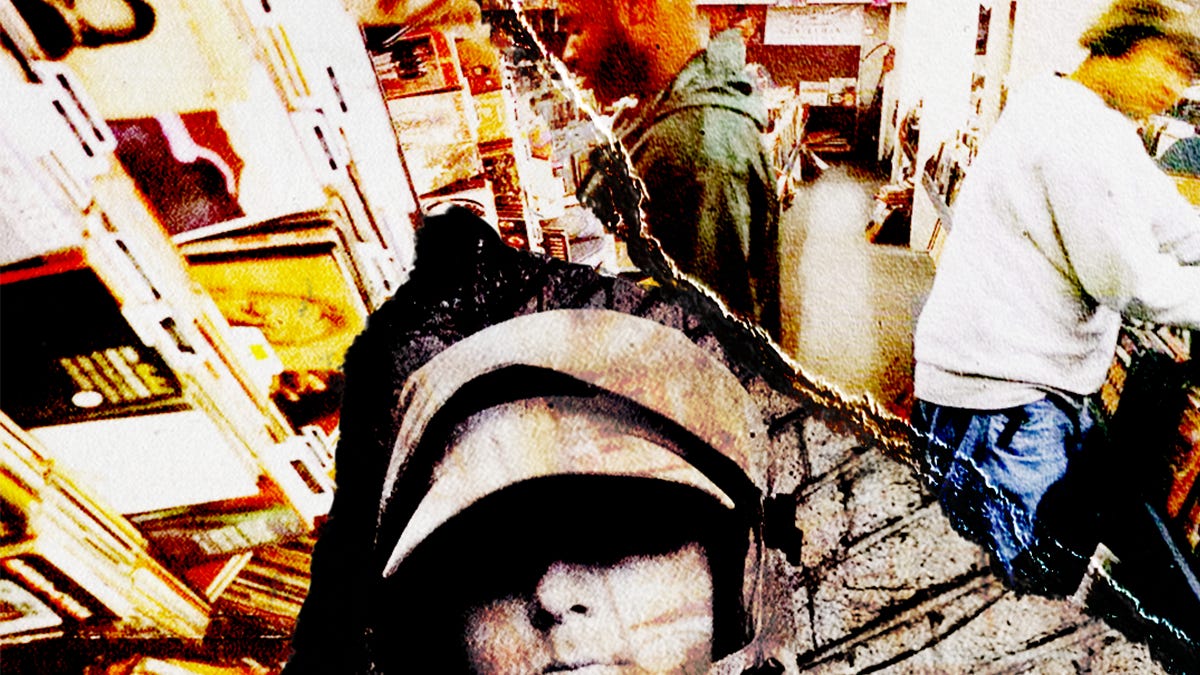
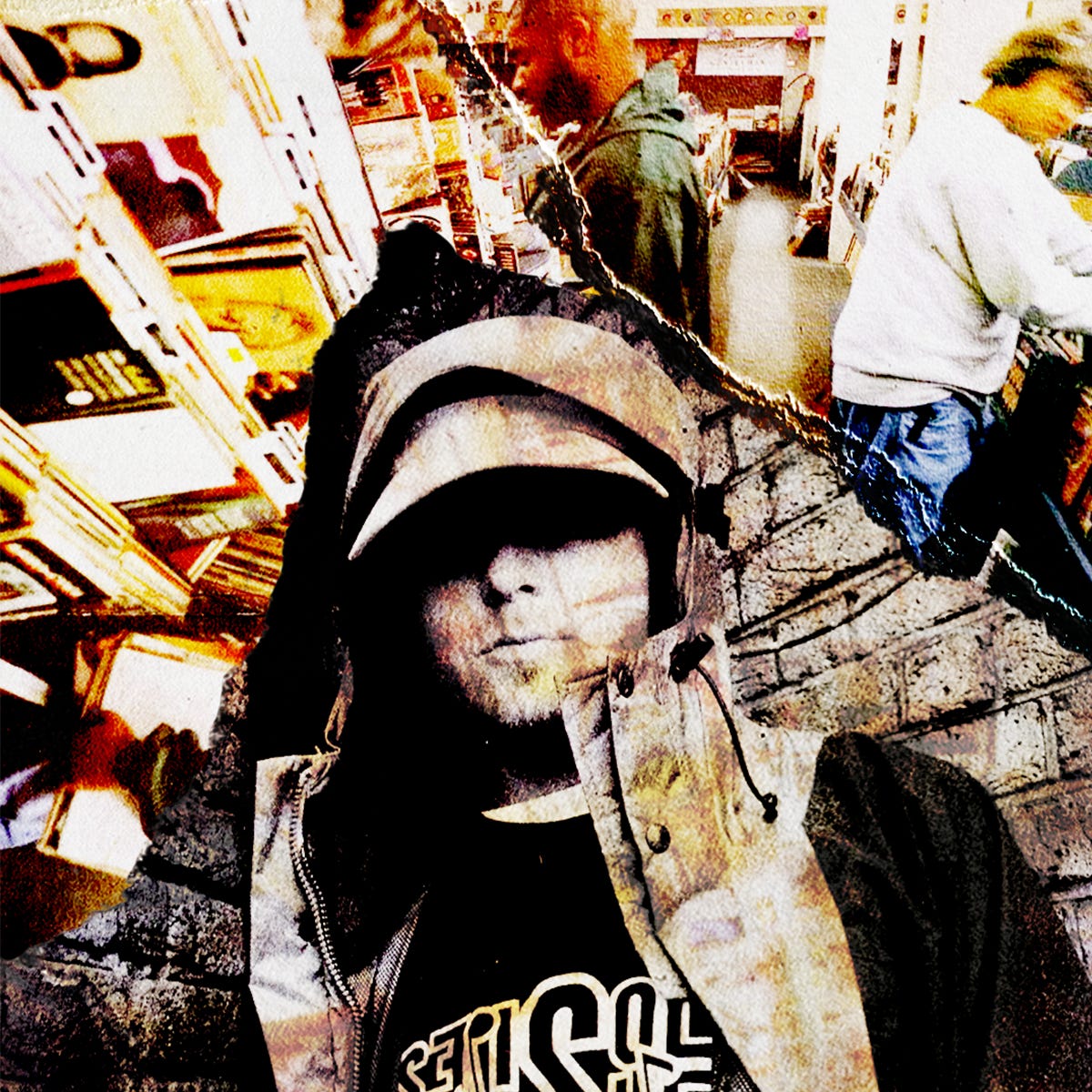
The night I discovered DJ Shadow’s Endtroducing….. is imprinted on my mind forever. It was one of the earliest moments in my life that I can remember asking a fundamental question: “Yo, what is this?!” I’ve long held that Endtroducing….. is the backbone for everything I’ve listened to for the past 30 years. This statement is independent of being hipped to the idea that it’s considered to be the first album ever created entirely of samples; my connection to the album wasn’t based on the unprecedented nature of its construction, but on the end result of the output.
The Philosophy of Sampling
This same notion holds true for DJ Shadow (née Josh Davis), who is quick to clarify that he never intended to make an album entirely of samples. “I was just trying to articulate that sampling is a legitimate art form,” he explains. For much of its life, hip-hop has had to defend this manner of creative expression. Using fragments of the music that defines us to create new productions isn’t stealing—it’s the ultimate exchange of knowledge, preservation of history, and show of respect for the music that came before us.
A Legacy Reimagined
This year marks the 30th anniversary of Endtroducing…... In September, Shadow began a tour that presents the album in ways it’s never been heard before. To even begin to make the live show a reality, he unearthed and repaired the AKAI MPC60 MKII sampler that he used to create the music, and was finally able to craft unique mixes of it that have become the jewels of the performance.
In our conversation, Shadow elaborates on the relationship between him and Mo Wax label head James Lavelle as a crucial one to some of the biggest choices he made for the album. He recalls the first days of forming the SoleSides crew in Davis, CA, as well as reflecting on the legacy of Blackalicious’s Gift of Gab, who joined him three decades ago to record his vocals for “Midnight In A Perfect World” at Dan the Automator’s mythical San Francisco studio, the Glue Factory.
Ultimately, Shadow’s dedication to hip-hop remains his guiding light. His goal was to further the possibilities of what the artform was capable of in one of its most fruitful creative periods. “I wanted to bend the samples to my will and make it all really musical,” he says. Even today, he remains a crate digger of the highest order, still trying to clear samples that he put on a record 30 years ago.