
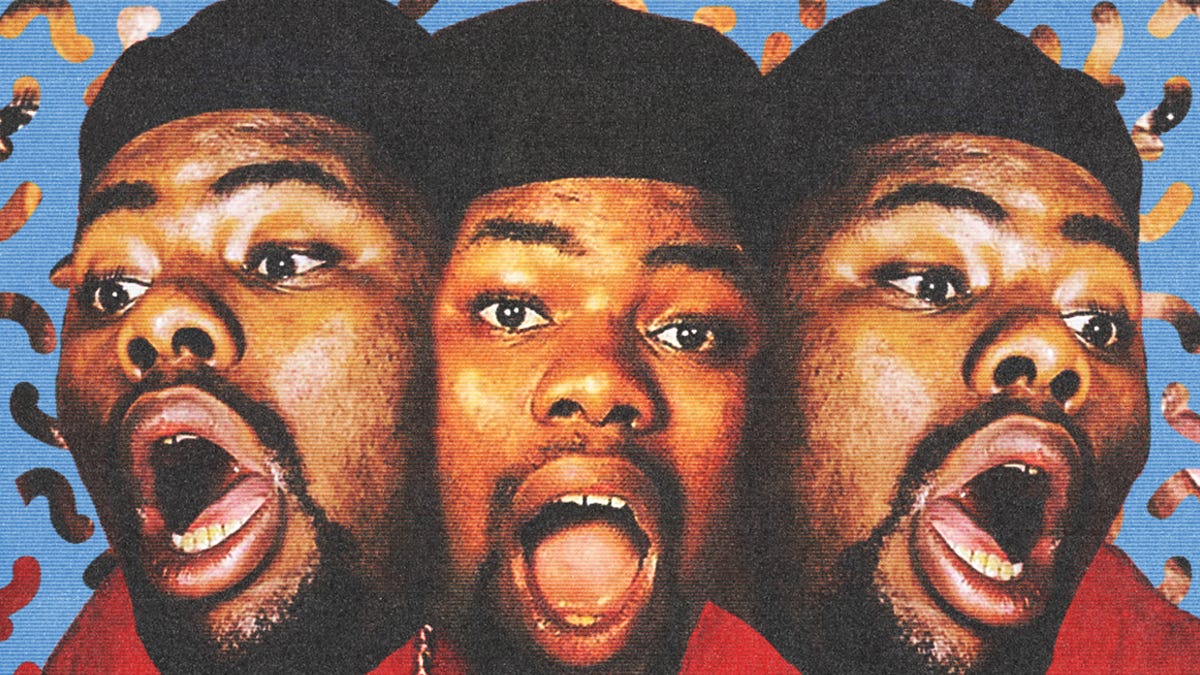
The Early Days of a Hip-Hop Legend
In the classic 1986 Dutch documentary Big Fun in the Big Town, director Bram Van Splunteren captured New York City in a state of vibrant, raw innovation. Amidst the backdrop of a changing urban landscape, a young, lanky beatboxer with an infectious grin emerged: Biz Markie. Born Marcel Theo Hall, Biz grew up in Egg Harbor Township, New Jersey, before moving to Long Island in the early 1980s. It was a pivotal era for hip-hop, and Biz was perfectly positioned to become one of its most enduring personalities.
While his initial forays were as an MC, Biz Markie would eventually flesh out a career defined by his explosive personality and unique acumen for entertainment. As a member of the legendary Juice Crew—a collective helmed by superproducer Marley Marl—Biz served as the group’s “clown prince.” He was wholesome, funny, and deeply relatable, traits that set him apart in an increasingly competitive industry.
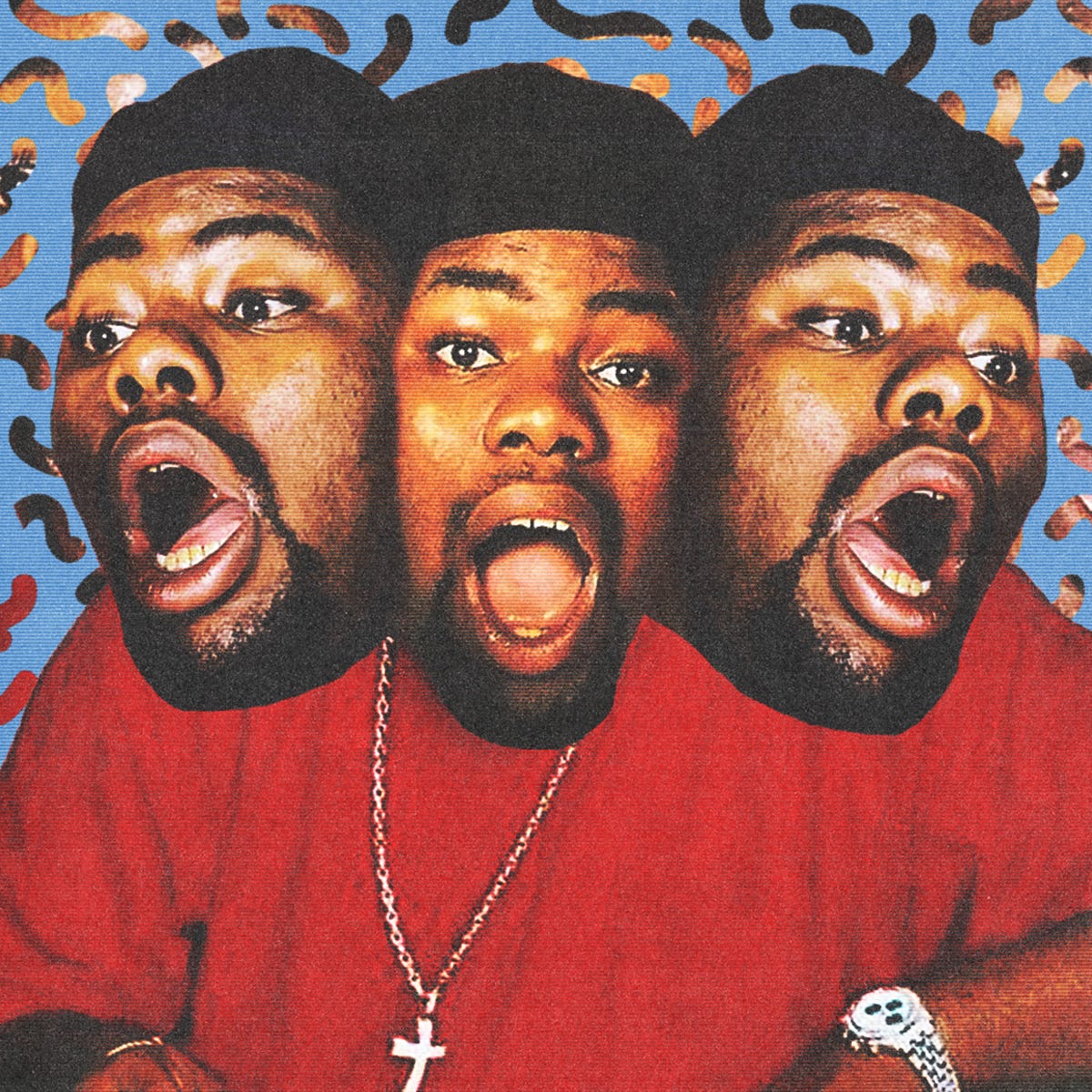
The Juice Crew and the Legacy of ‘Just a Friend’
The Juice Crew was a precursor to collectives like Wu-Tang, featuring a stable of MCs with wildly different strengths, including Big Daddy Kane, Kool G Rap, Roxanne Shanté, Masta Ace, and MC Shan. Biz recalled the camaraderie of the time: “We were just all young, having fun. We liked being around each other, too. We didn’t even care about fame or record sales then.”
Biz eventually released “Just a Friend,” a track that would become tethered to his entire legacy. With its iconic Freddie Scott sample and a music video featuring Biz in a powdered wig, the song bolstered his crossover appeal and cemented his status as a cultural figure. However, his career also faced challenges, most notably the landmark lawsuit over his use of Gilbert O’Sullivan’s “Alone Again (Naturally),” which fundamentally altered how rap music was produced and cleared.
A Renaissance Man of Hip-Hop
Throughout the 1990s and beyond, Biz Markie transcended the role of a traditional rapper. He became a beloved cultural icon, collaborating with the Beastie Boys and appearing in films like Men in Black II. His passion for music extended to his legendary record collection, which included rare finds that remain the subject of urban legend today.
Reflecting on his multi-faceted career, Biz remained humble about his contributions. When asked about his start, he noted, “Beatboxing. I mean, I was a kid, and that was just the first thing I took up when it came to hip-hop. I didn’t think about, I just sorta did it, ya know?” Even decades later, his influence remains undeniable, proving that Biz Markie was truly one of the first multi-faceted artists to master the art of being himself.