
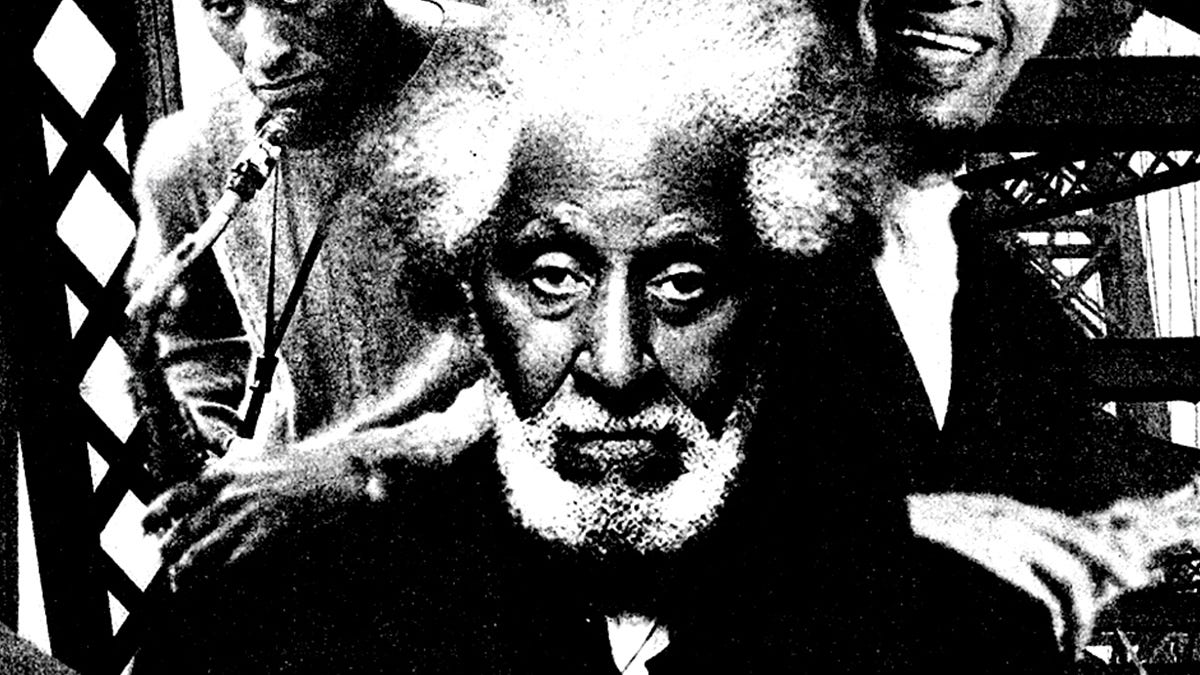
A Titan of the Tenor Saxophone
On Monday, the jazz world lost one of its final living links to the golden age of the genre. Walter Theodore Rollins, known to the world as Sonny Rollins, passed away at his home in Woodstock, New York, at the age of 95. A towering figure in 20th-century music, Rollins was the last surviving musician from Art Kane’s iconic 1958 photograph, A Great Day in Harlem.
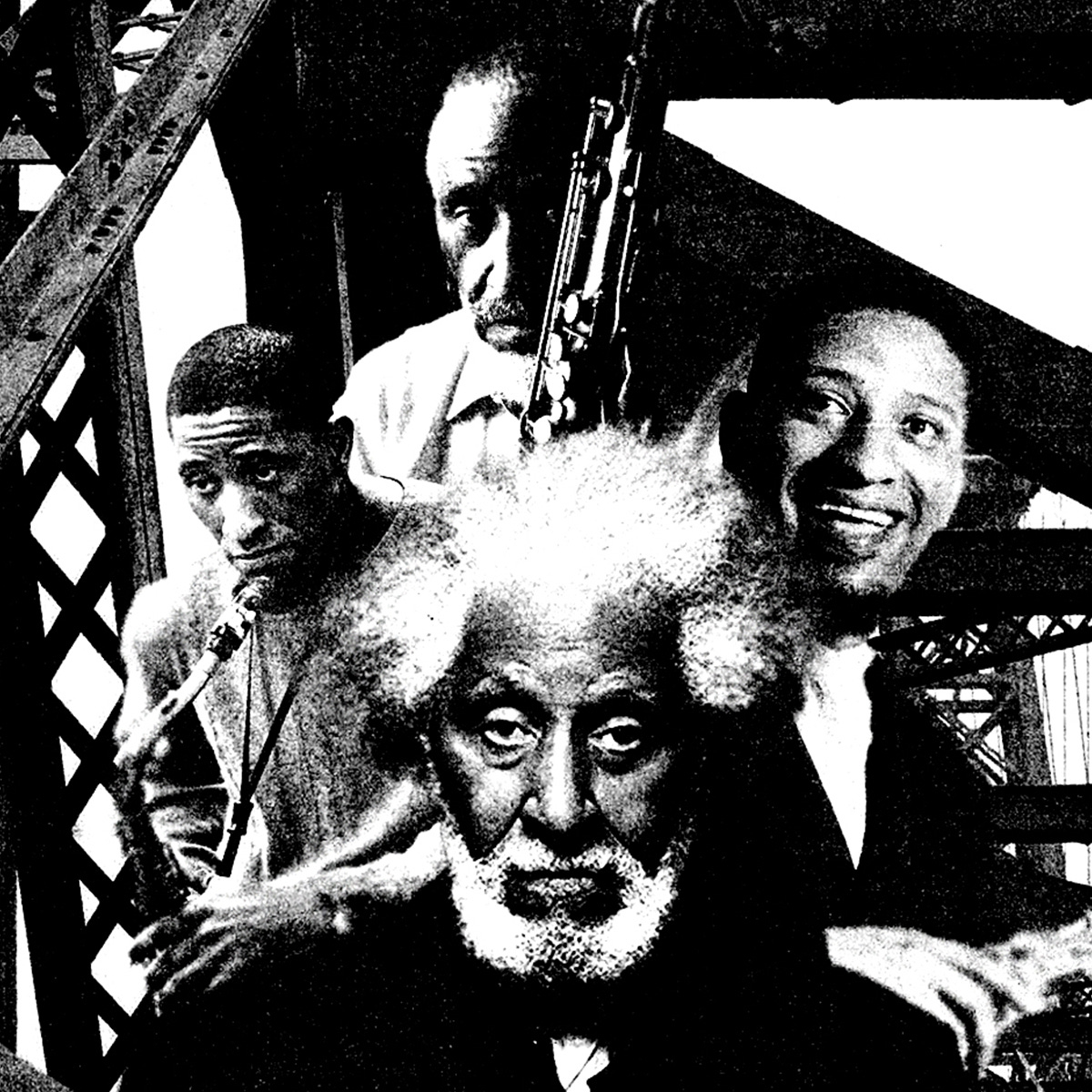
That’s how ‘Sax Men’ begin. For the first time they lay eyes on that curved shiny beautiful-looking piece of metal, it makes them feel proud and strong and important. Yes, important! If you had that sax you would really be somebody important. You would make people dance and be happy. Yes, you can see yourself now, standing in front of those people and filling them with tones straight from your sax, handsomely groomed and dressed, horn gleaming like the sun as you perform in front of the crowds. So you start playing the saxophone.
—from The Notebooks of Sonny Rollins
Born in Harlem in 1930, Rollins was a prodigy who began recording with Miles Davis by his early twenties. His discography, particularly the run of albums between 1956 and 1958—including Saxophone Colossus and Freedom Suite—defined the hard bop era. Yet, Rollins was defined as much by his relentless self-criticism as his technical brilliance. His legendary sabbaticals, during which he practiced for hours on the Williamsburg Bridge, remain a testament to his pursuit of perfection.
The Human Behind the Myth
While jazz history often canonizes its heroes, the recent publication of The Notebooks of Sonny Rollins offers a rare, intimate look at the man behind the “Saxophone Colossus” moniker. These fragments reveal a person grappling with the same mundane struggles as anyone else—diet, health, and personal relationships—rather than a static icon.
His generosity of spirit was perhaps his most defining trait. In interviews, he consistently refused to disparage other musicians, noting, “I don’t like to say too many negative things about music and musicians playing music because I know how damn hard it is.” This empathy allowed him to connect with peers and fans alike, transcending the often-competitive nature of the jazz scene.
A Lasting Legacy
Rollins did not seek to shift the paradigm of jazz repeatedly like Miles Davis or John Coltrane; instead, he perfected the role of the improvising soloist. His ability to weave complex melodic lines and draw connections between disparate themes made him an unparalleled force. Even after he stopped performing in 2012, his influence remained omnipresent.
As he once remarked while introducing Roy Hargrove, he believed that certain artists were called from above. Sonny Rollins was undoubtedly one of those chosen few. As he wrote in his own notebooks: “Nature take me back. I am yours.”