
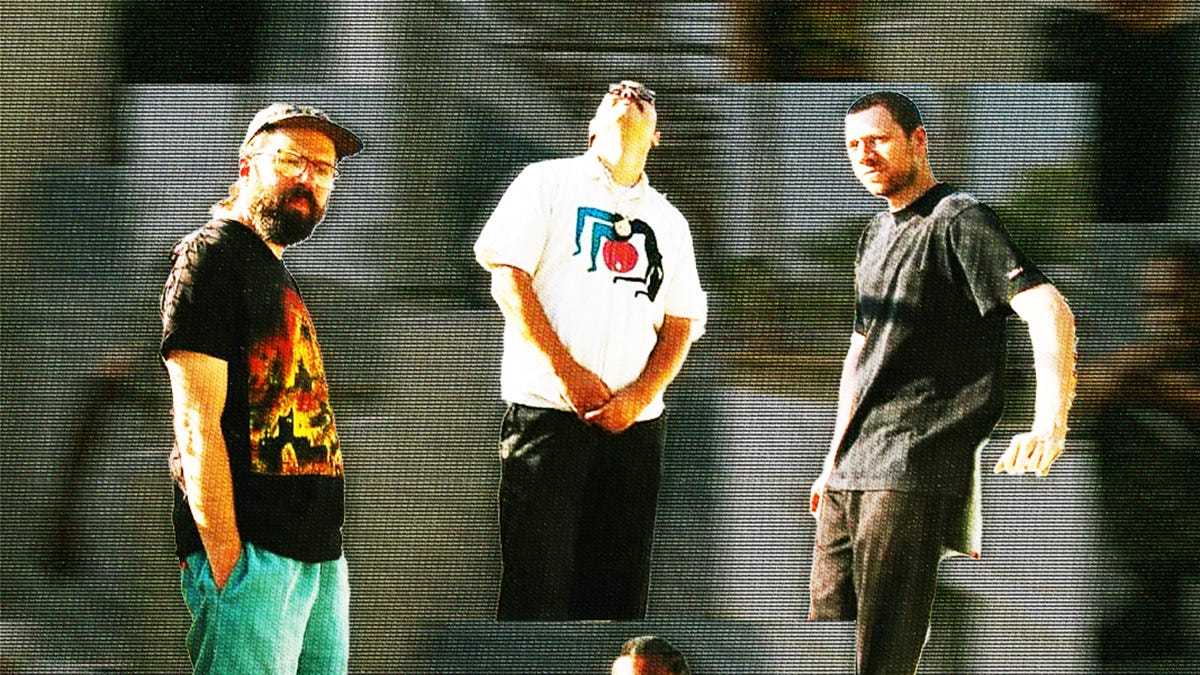
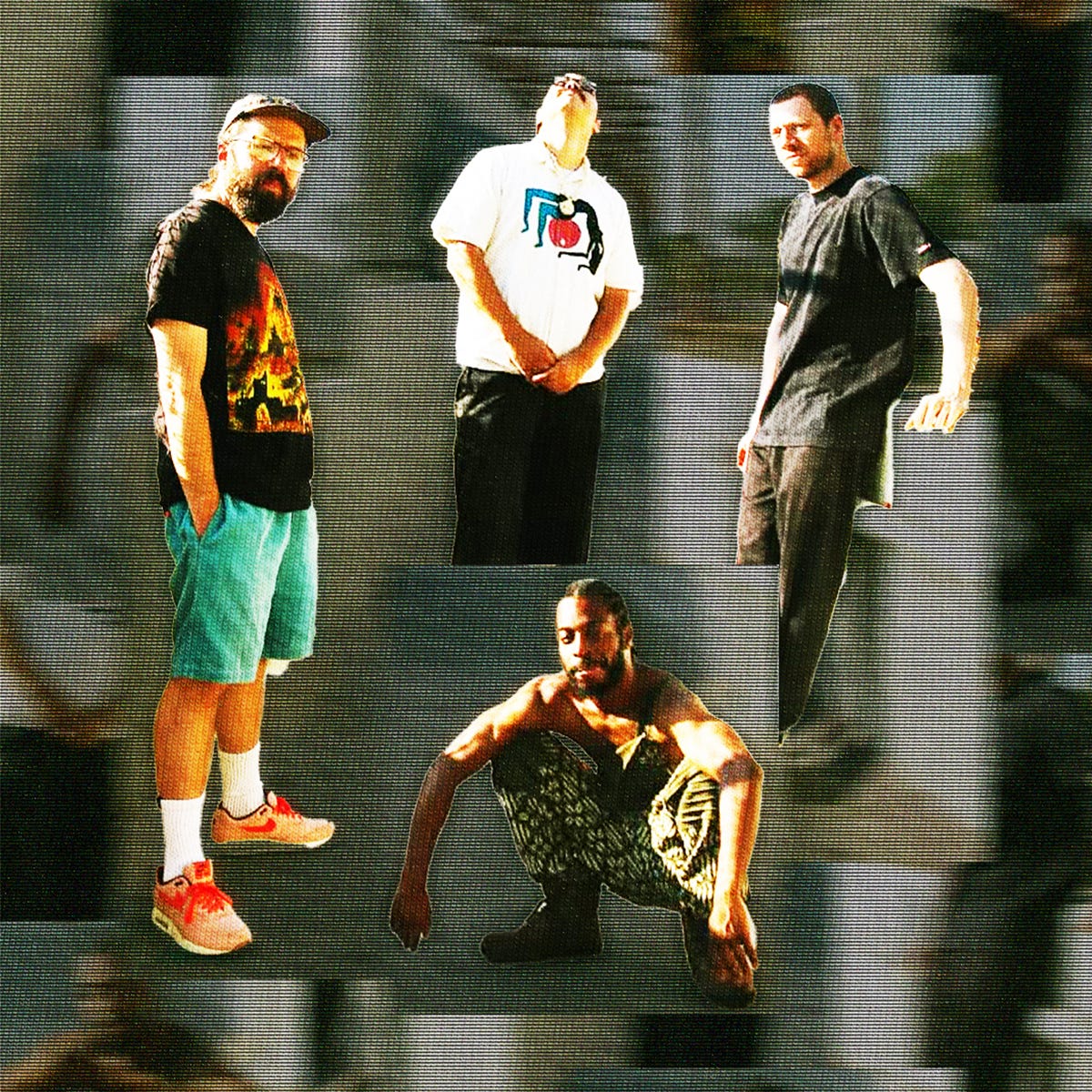
HUMAN ERROR CLUB—comprised of keyboardists Diego Gaeta and Jesse Justice alongside drummer Mekala Session—has quietly become a seismic force in the Los Angeles music scene. Their sound, a fusion of spiritual jazz, live beat exploration, and synth alchemy, defies easy categorization. Their latest project, HUMAN ERROR CLUB at Kenny’s House, captures the essence of this evolution, born from three improvised sessions recorded at the home studio of renowned producer Kenny Segal between 2021 and 2024.
The Art of Spontaneous Composition
The collaboration bridges Segal’s reputation as a master architect of underground hip-hop with the trio’s shape-shifting live energy. Released on Backwoodz Studioz, the album features a constellation of collaborators including E L U C I D, Moor Mother, Pink Siifu, Shabaka, Quelle Chris, and label founder billy woods. For the members of HUMAN ERROR CLUB, the process is rooted in trust and a shared musical vocabulary.
“We have nothing but a blank slate and a dense vocabulary of textures and rhythms,” explains Diego Gaeta. “We’re like DJs but with instruments. We’re using textures of electronic music with spiritual jazz, which is our foundation.”
A Studio Built on Intuition
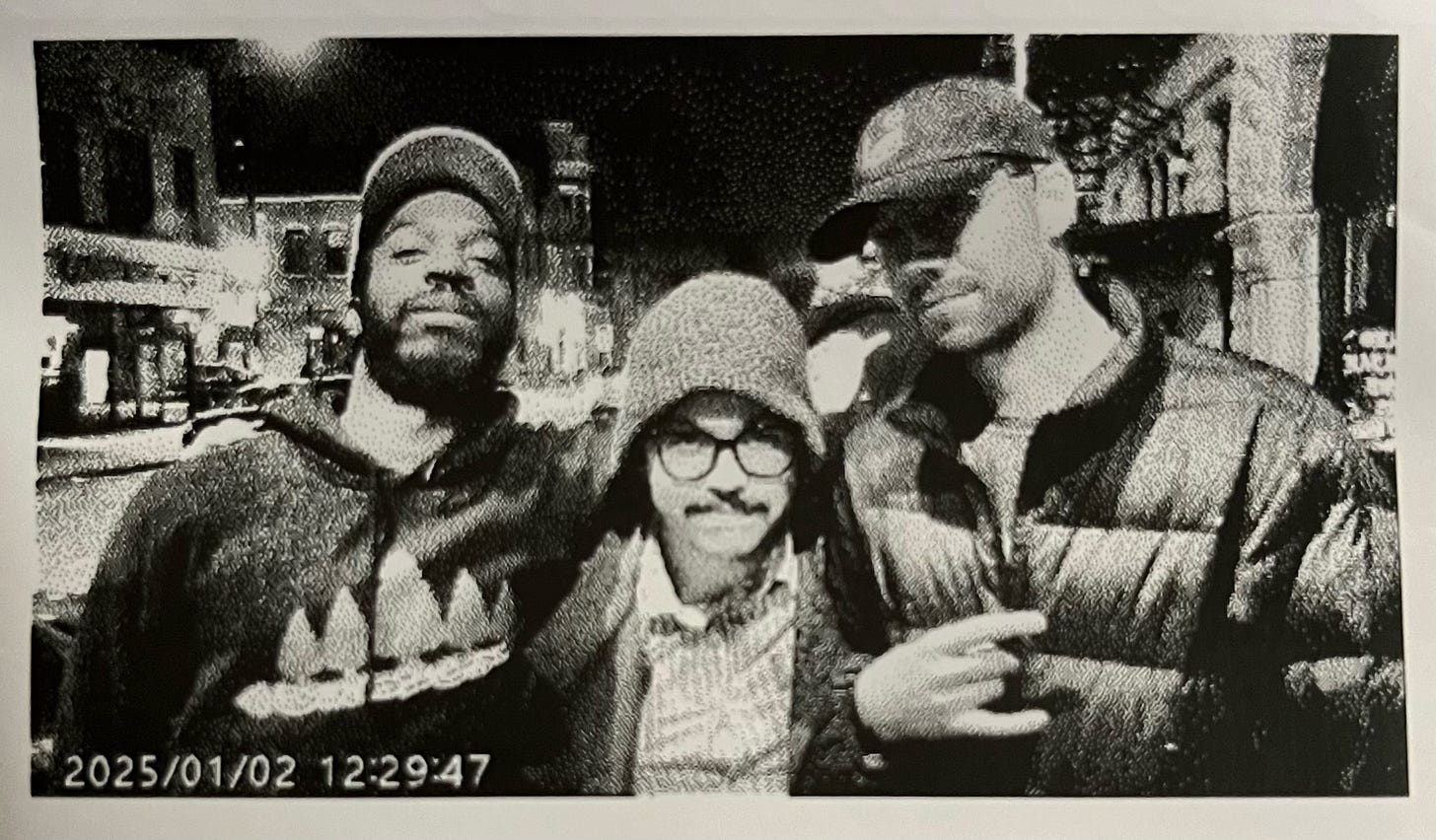
The recording sessions at Kenny Segal’s home were defined by a lack of rigid planning. Segal, known for his work with R.A.P. Ferreira and billy woods, acted as both engineer and curator. He provided the palette of sounds—ranging from vintage Fender Rhodes to circuit-bent Omnichords—allowing the band to explore textures in real-time.
“The whole thesis was that they were going to come over and use mainly my gear. I had control over setting up the stations for each of them. I was setting up the palette of colors for them to paint with.” — Kenny Segal
This improvisational approach extended to the album’s structure. Tracks like “OOO What’s That” emerged directly from in-studio discoveries, capturing the raw, unscripted energy of the trio. As Mekala Session notes, the band’s philosophy is to challenge the traditional boundaries of free jazz by integrating the sensibilities of modern hip-hop production.
Looking Toward the Future
The inclusion of various vocalists and rappers on the project highlights the versatility of the band’s sound. Rather than traditional rap beats, the music serves as a canvas for the featured artists to act as soloists. For Segal, the project was a natural evolution of his relationship with the trio, rooted in mutual respect and a shared vision for what music can achieve when the pressure of time is removed.
“Time doesn’t matter,” says Gaeta. “It happened. It could be anytime.” This sentiment permeates the entire record, resulting in a psychedelic, synthy journey that feels both timeless and urgent.